Who we help · Insulation
Insulation for terraced homes — front, back, roof and floor.
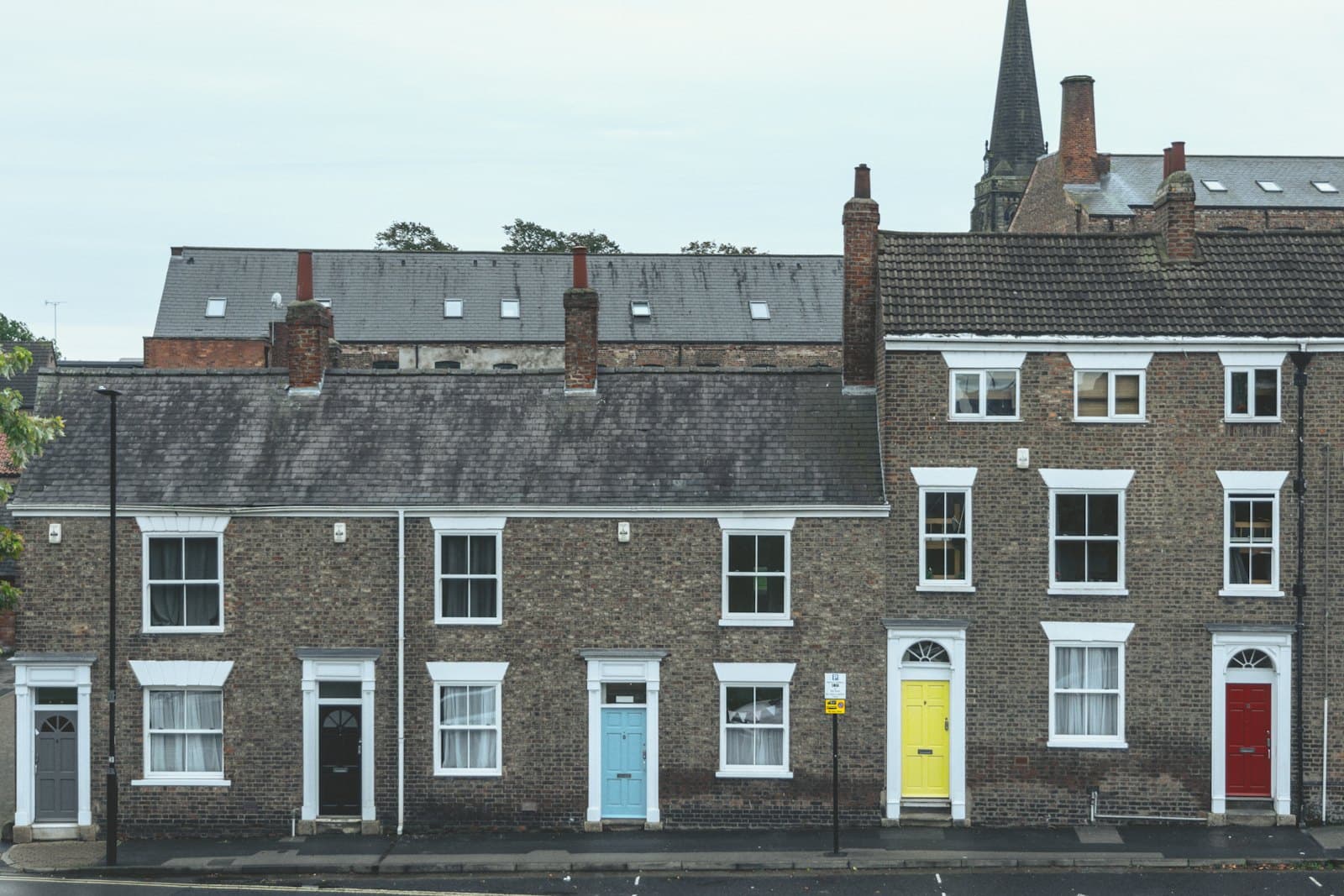
A mid-terrace loses heat through its front and rear walls, roof and floor — never a side wall, because it doesn't have one. Most are Victorian or Edwardian solid brick, so the usual measures are the loft or room-in-roof, internal wall insulation or EWI on the rear, and the suspended timber floor.
Typical prices
Mid-terrace
- Loft insulation (new or top-up)£500–£1,000
- Room-in-roof£3,500–£7,000
- Internal wall insulation (whole home)£7,000–£14,000
- External wall insulation + render£9,000–£15,000
- Suspended floor insulation£1,200–£3,000
- Draught-proofing£250–£600
Before grants · updated 11 October 2026 · a survey confirms the final figure.
Property types covered
Construction, heat loss and watch-outs
Mid-terrace
Full guide- Typical construction
- Mostly Victorian and Edwardian solid brick; post-war cavity
- Where heat is lost
- Front and rear walls, roof, floor
- Usual measures
- Loft or room-in-roof, IWI or rear EWI, suspended floor
- Watch-outs
- Front often in conservation area
End-of-terrace
Full guide- Typical construction
- Victorian solid walls or post-war cavity
- Where heat is lost
- Gable wall, roof, rear extension
- Usual measures
- EWI or IWI on gable, loft, floor, room-in-roof
- Watch-outs
- Gable wall is the main loss
Mews house and cottage
Full guide- Typical construction
- Small, solid walls, low ceilings
- Where heat is lost
- Walls and roof
- Usual measures
- Breathable IWI, loft, floor
- Watch-outs
- Space-saving thin systems
Good to know
What makes these homes different
No side-wall EWI on a mid-terrace
Mid-terraces share both side walls with neighbours, so we never quote side-wall EWI. External insulation goes on the rear — and on the front only where planning and the street allow.
Fronts in conservation areas
Many terraced streets are in conservation areas or have Article 4 directions. Internal wall insulation keeps the front unchanged; brick slip EWI can keep the look of brick where external work is allowed.
End-of-terrace and mews homes
An end-terrace adds a gable wall, usually its main heat loss. Mews houses and cottages have small rooms and solid walls, so breathable and space-saving thin systems suit them best.
Recommended measures
Where to start
Loft insulation
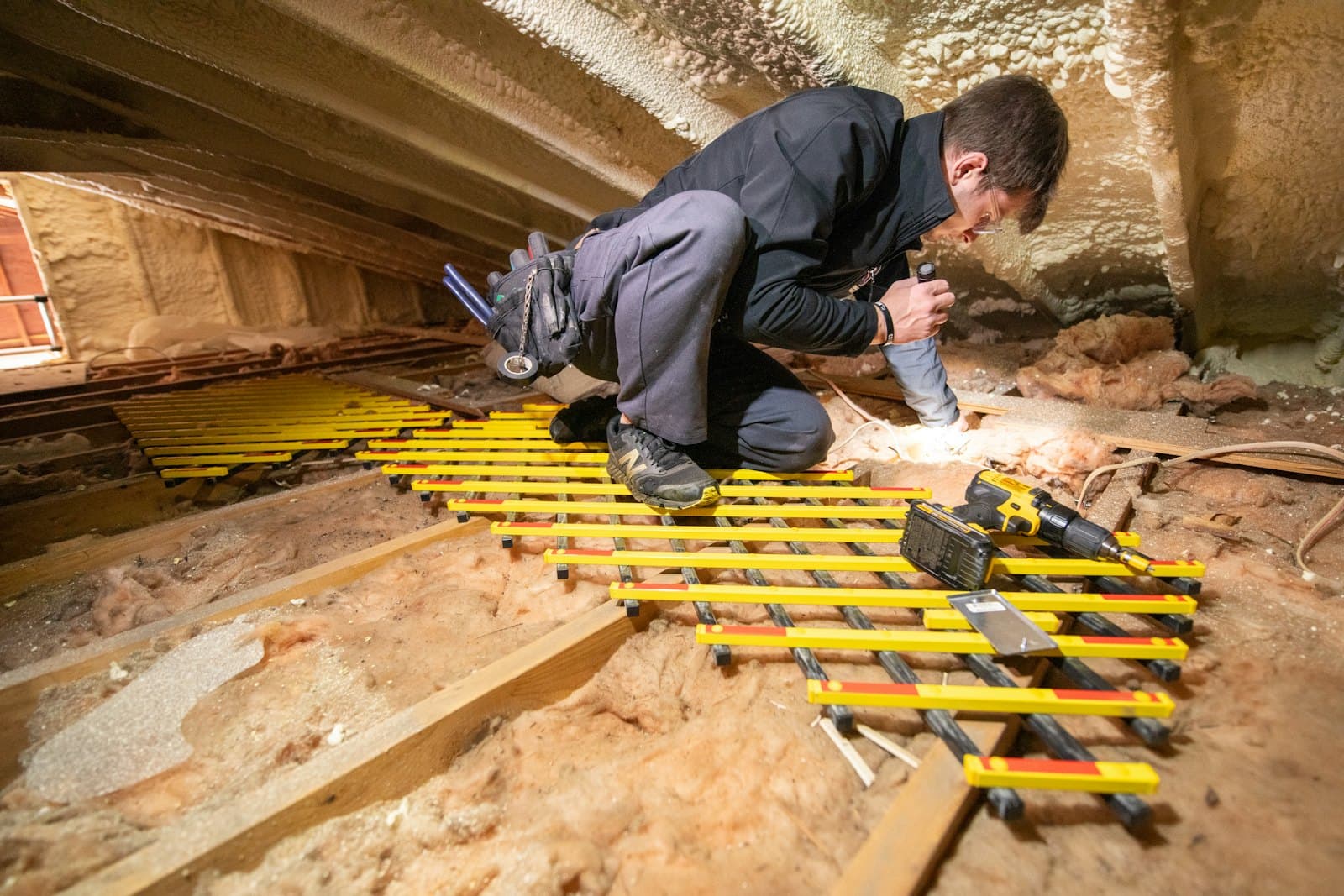
Mineral wool laid between and across the joists to 270–300 mm so heat stays in the rooms below.
Room-in-roof insulation
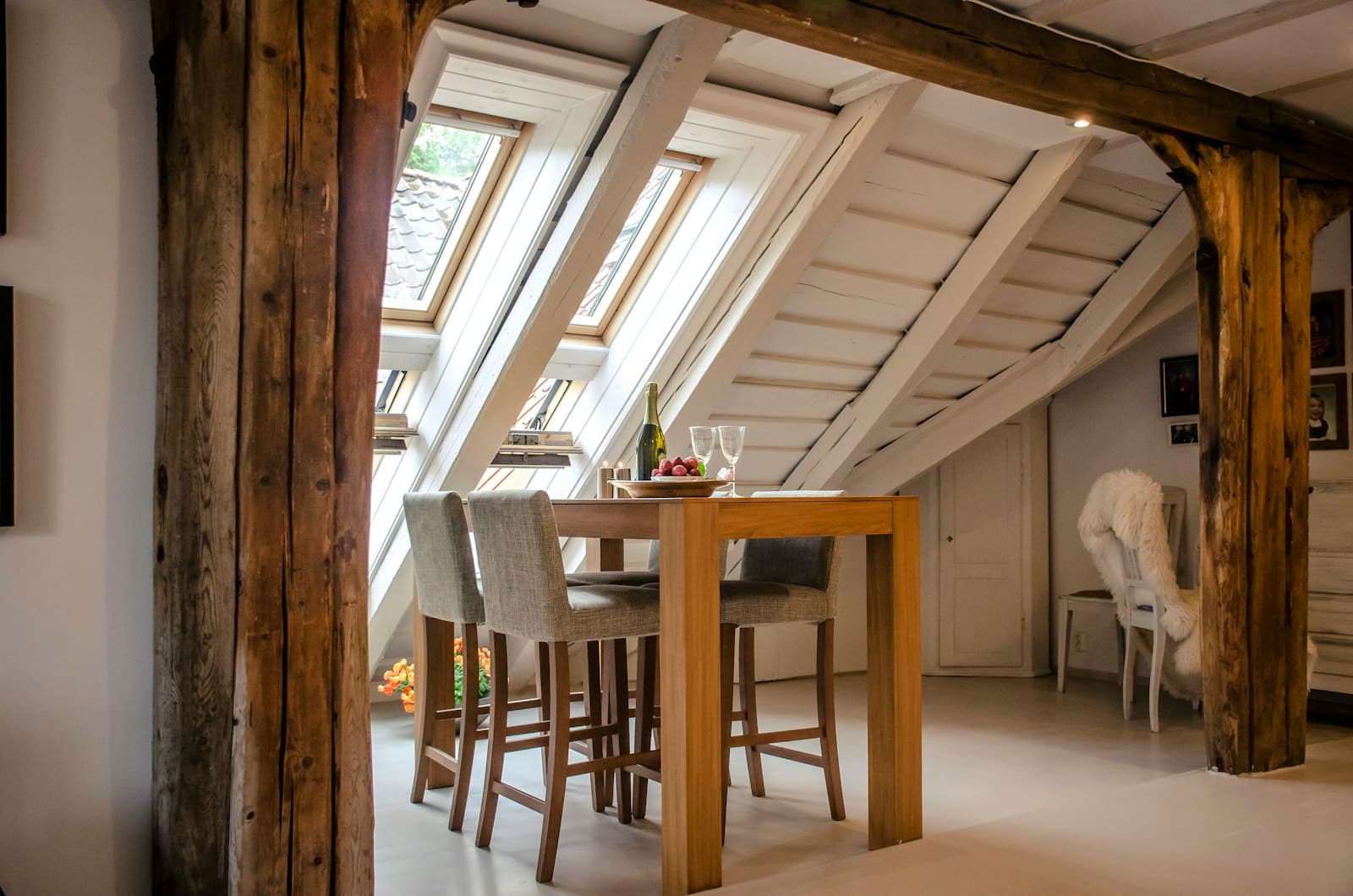
Insulating the sloping ceilings, stud walls, flat ceiling, gables and dormer cheeks of an attic room.
Internal wall insulation (IWI)
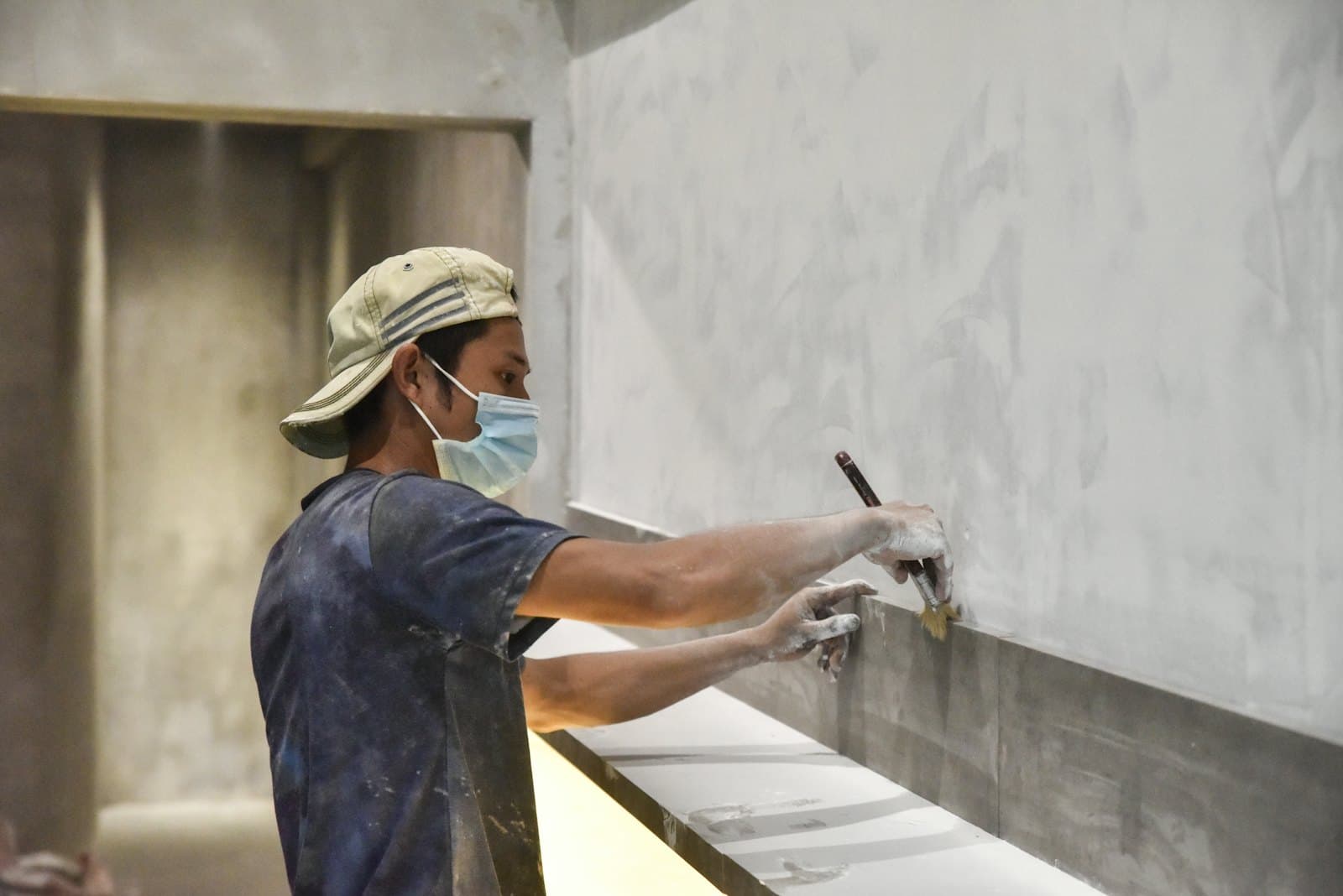
Insulated plasterboard or stud systems fitted inside solid walls where the outside must not change.
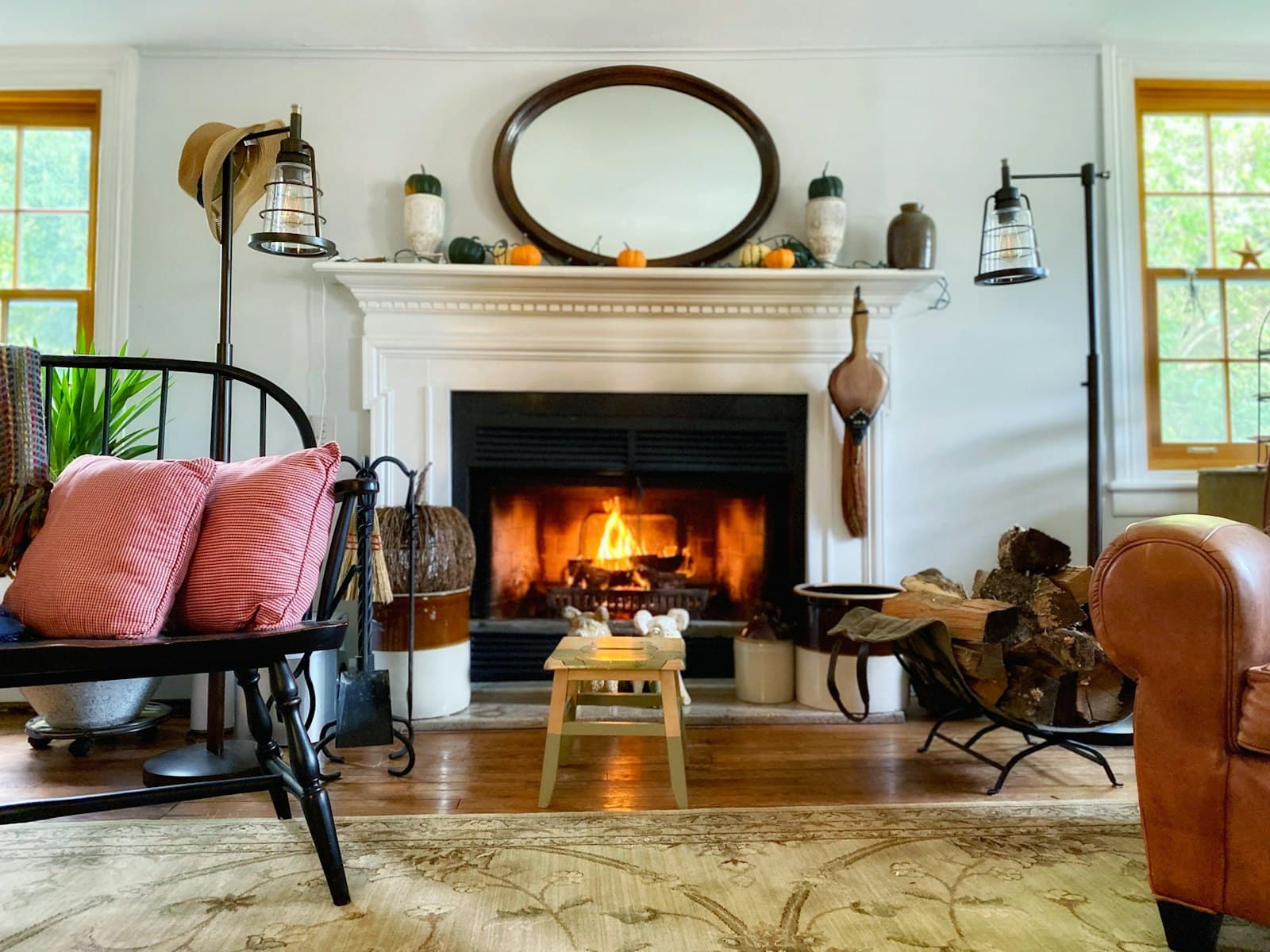
Breathable IWI for period homes
Wood-fibre, cork or hemp-lime systems that let solid walls stay dry.
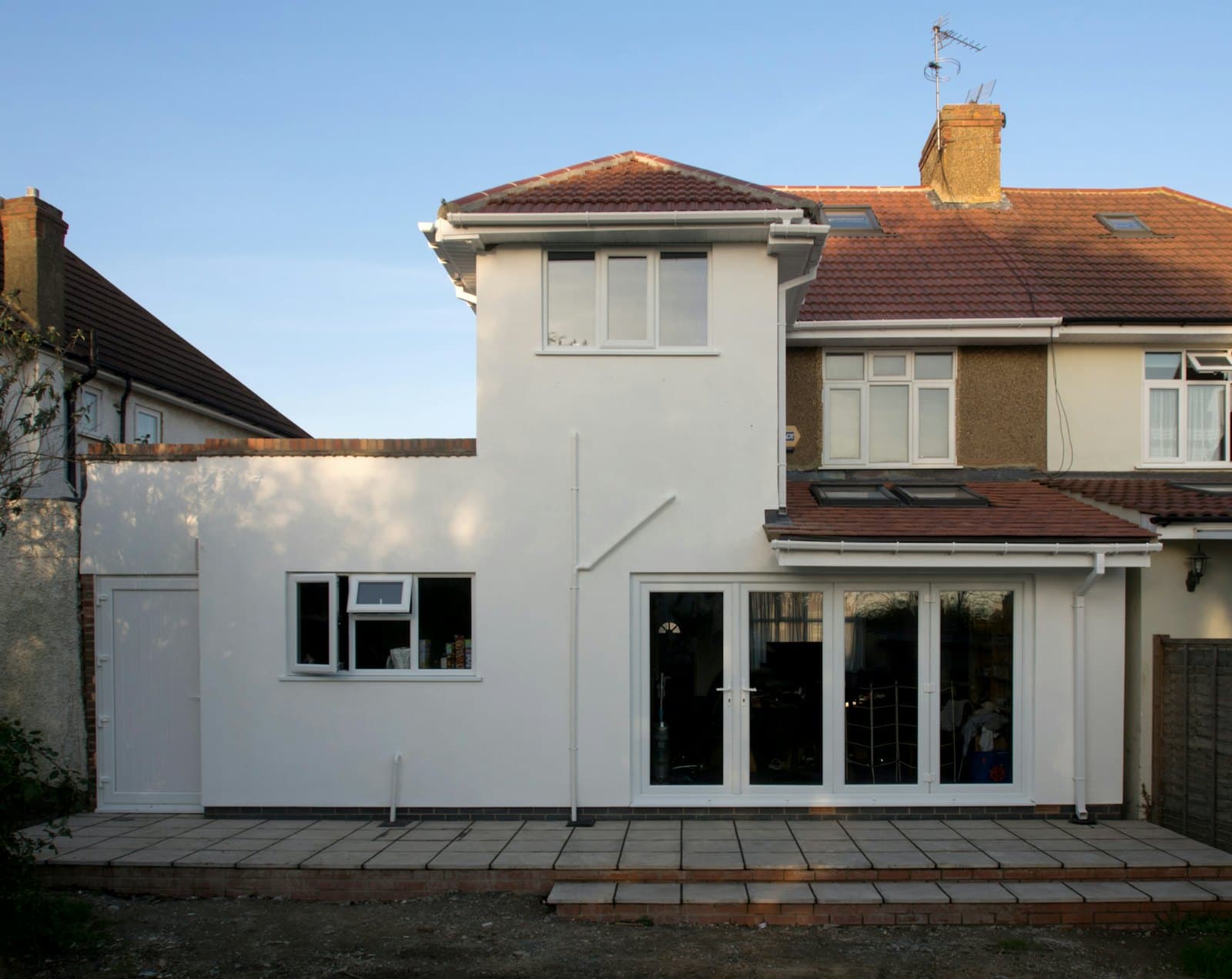
External wall insulation (EWI)
A complete certified build-up of insulation board, mesh and render from one system holder.
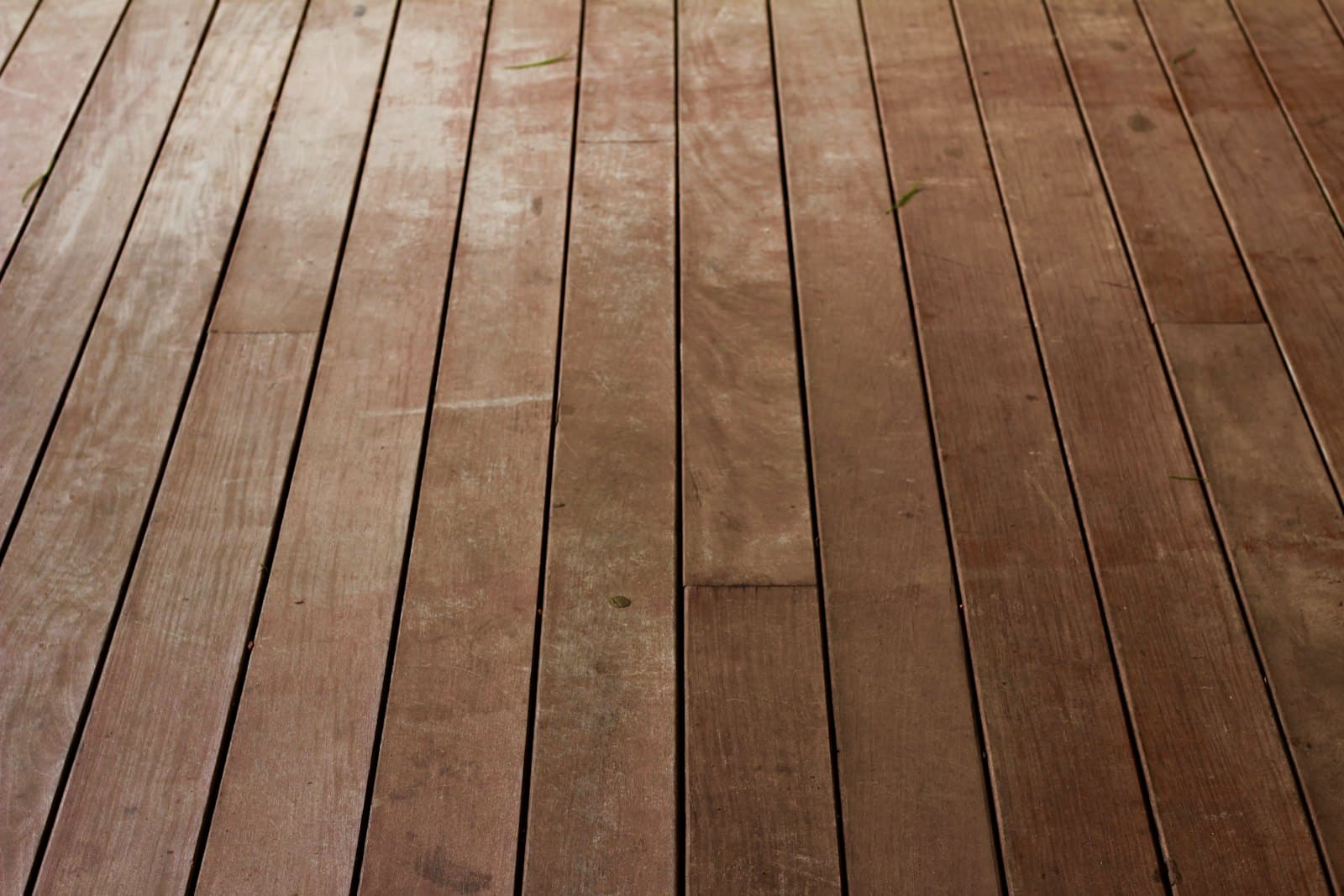
Suspended timber floor insulation
Mineral wool or rigid board between the joists with an airtight membrane.
Thin internal liners and aerogel
Slim aerogel or thin boards where floor space matters.
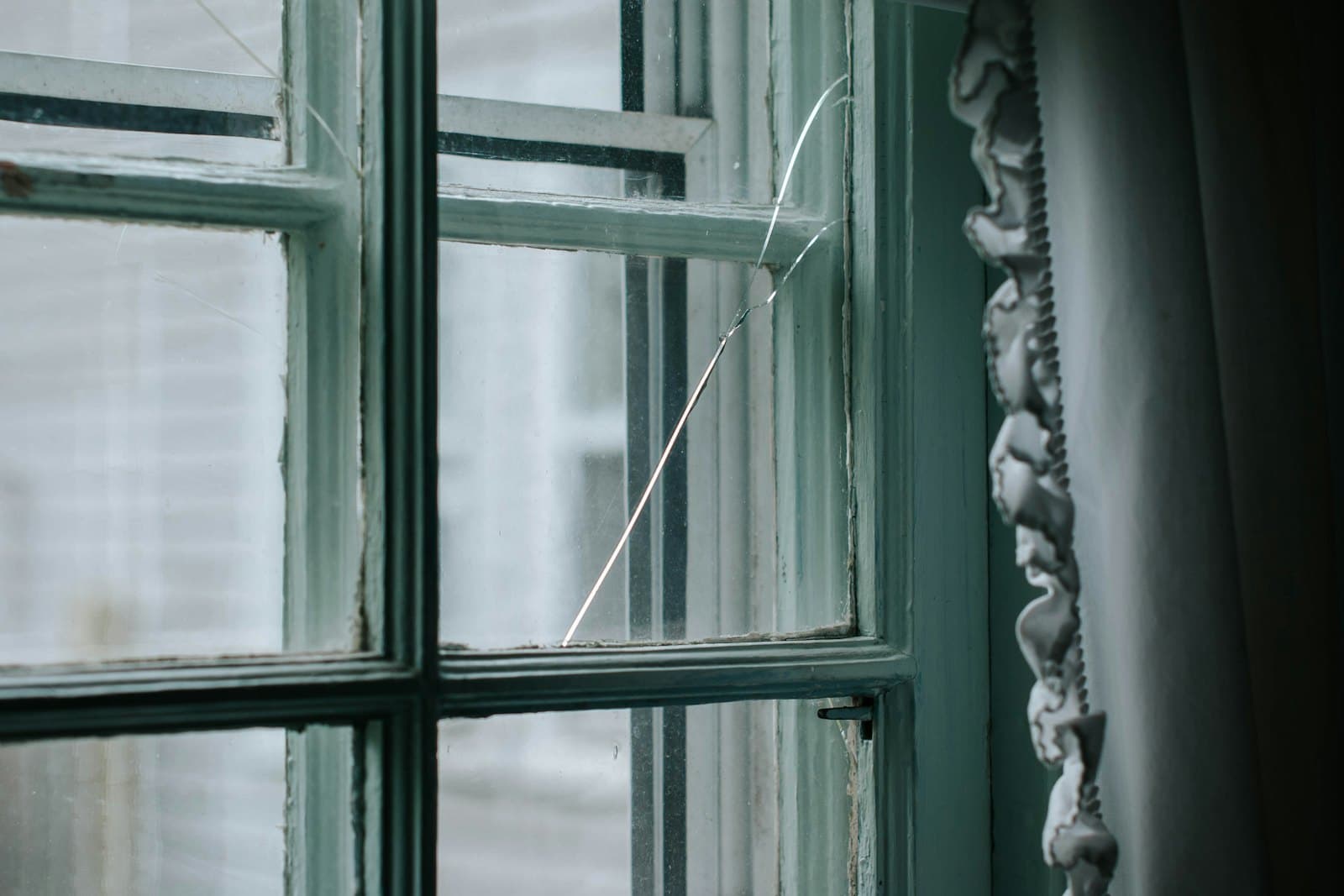
Draught-proofing
Sealing doors, windows, letterboxes, hatches, floorboards and unused chimneys — every home's quick win.
Prices
Insulation prices for terraced homes
| Measure | Mid-terrace | Semi / end-terrace |
|---|---|---|
| Loft insulation (new or top-up) | £500–£1,000 | £600–£1,300 |
| Room-in-roof | £3,500–£7,000 | £4,000–£9,000 |
| Internal wall insulation (whole home) | £7,000–£14,000 | £10,000–£20,000 |
| External wall insulation + render | £9,000–£15,000 | £14,000–£24,000 |
| Suspended floor insulation | £1,200–£3,000 | £1,500–£4,500 |
| Draught-proofing | £250–£600 | £300–£800 |
Indicative ranges for London and the South East, supplied and installed, including VAT, before grants. Updated 11 October 2026. A survey confirms your final price.
Grants and savings that may help
- ECO4Closes in 73 days
Up to fully funded; paid by energy suppliers per measure
Grant via local councils (£960m nationally in 2026/27)
- Social Housing Fund
Landlord-led bids
Saves 20% VAT
- Local schemes
Varies
Eligibility depends on your circumstances and is confirmed by evidence and the funder or council.
0% VAT on energy-saving materials
Insulation, solar panels, batteries and heat pumps installed in homes in Great Britain are zero-rated for VAT until 31 March 2027. Windows and doors are not included.Questions
Common questions
Can you insulate the walls of a Victorian terrace?
Yes. Solid walls are insulated inside (internal wall insulation, breathable systems for period homes) or outside on the rear (EWI). We check moisture risk first, because solid walls need to stay dry.
Why won't you put external wall insulation on the side of my mid-terrace?
A mid-terrace has no side wall — both are shared with neighbours. External insulation goes on the rear, and on the front only where planning and the street allow.
Is room-in-roof insulation worth it in a terrace?
If you have an attic room or loft conversion, yes — sloping ceilings, knee walls and dormer cheeks are often barely insulated, and room-in-roof is a measure ECO4 can fund for eligible households.
Should I insulate my suspended floor?
Usually worth it in a Victorian or Edwardian terrace: it cuts draughts through the boards as well as heat loss, and the void stays ventilated underneath.
Begin your project
Price insulation for your home in two minutes
Tell us your property type and see a price range, with grants and 0% VAT applied where they fit. A survey always confirms the final figure.