Insulation · Group A
Loft and roof insulation — warm from the top down.
Lofts, room-in-roof, pitched and flat roofs, conservatory roofs and spray foam — done safely.
Build-up
Loft insulation
Cold, ventilated loft
Warm room below
- 1Cross layer laid over the joistsSecond roll laid at right angles
- 2First layer between the joists
- 3Ceiling
Mineral wool to 270–300 mm, with the eaves kept clear for ventilation.
Overview
About loft and roof insulation
Heat rises, so the roof is where many homes lose the most. We cover every kind of roof: cold lofts and room-in-roof, pitched roofs from inside, warm roofs during re-roofing, flat roofs, conservatory roofs and garden buildings.
Most lofts need nothing more than mineral wool to 270–300 mm, laid properly with the eaves kept clear. Where a roof needs something more specialist, we check condensation risk first — and spray foam is only ever installed after an independent suitability assessment.
Every service in group A
17 ways we can help
Loft insulation
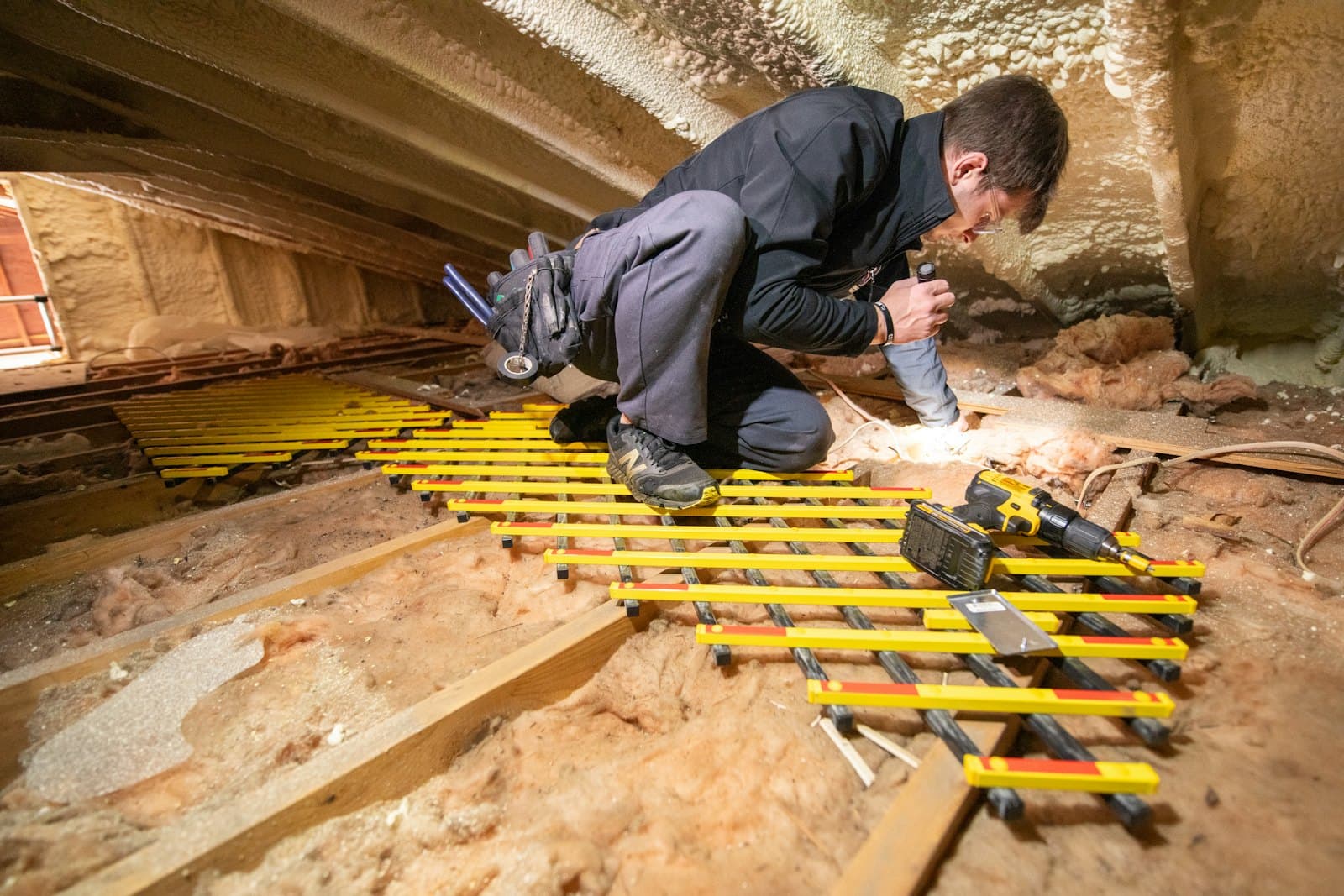
Mineral wool laid between and across the joists to 270–300 mm so heat stays in the rooms below.
Loft insulation top-up
An extra cross-layer over existing insulation to reach the recommended 270 mm or more.
Blown loft insulation
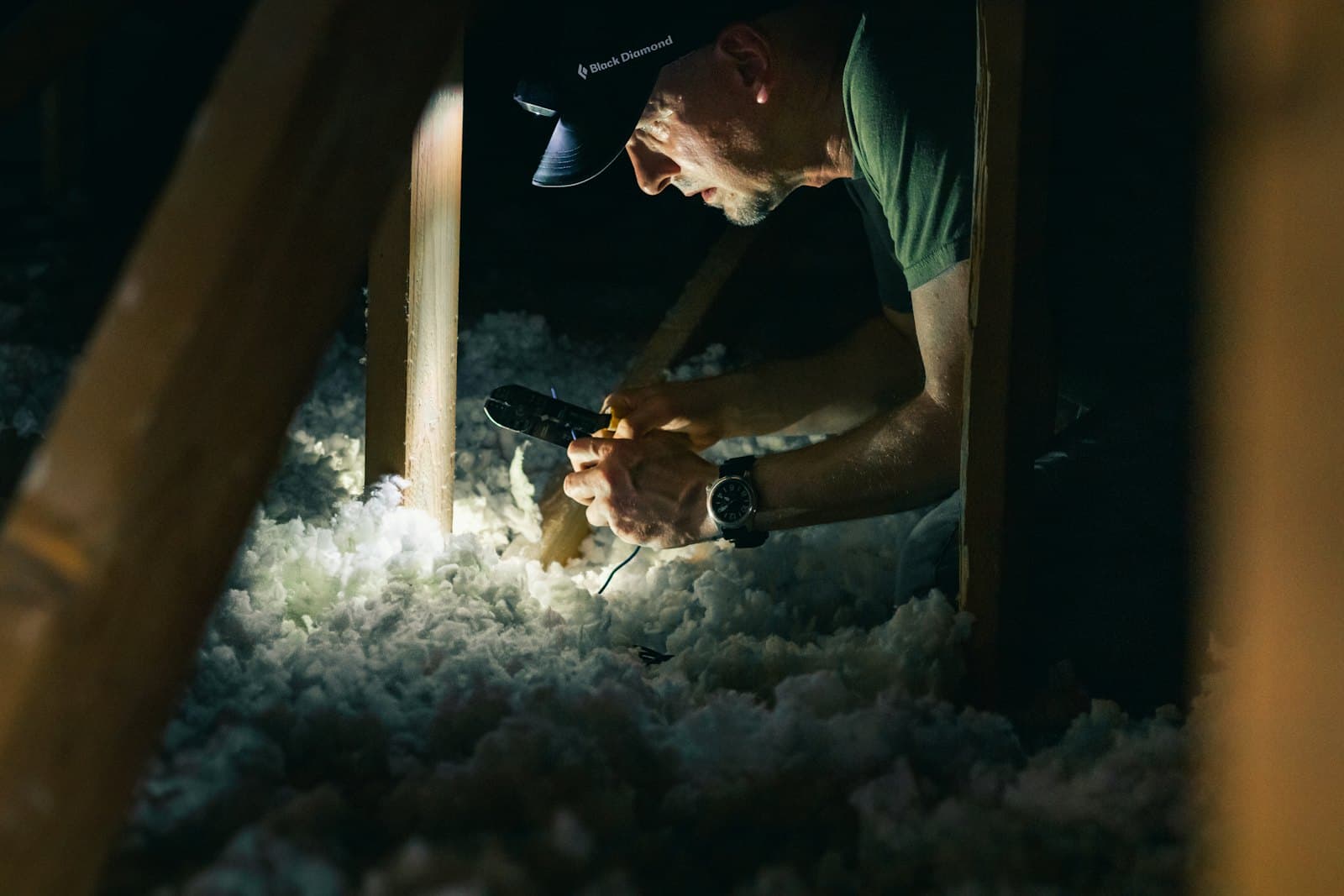
Loose-fill insulation blown into awkward, shallow or low-headroom lofts that rolls can't reach.
Loft clearance and replacement
Old, damp or damaged insulation removed, the loft cleaned, then new mineral wool fitted.
Raised loft boarding and storage
Loft legs or raised boarding over full-depth insulation, so storage doesn't crush it.
Insulated loft hatch and ladders
An insulated, draught-sealed hatch and loft ladder — a small add-on that stops a big leak.
Room-in-roof insulation
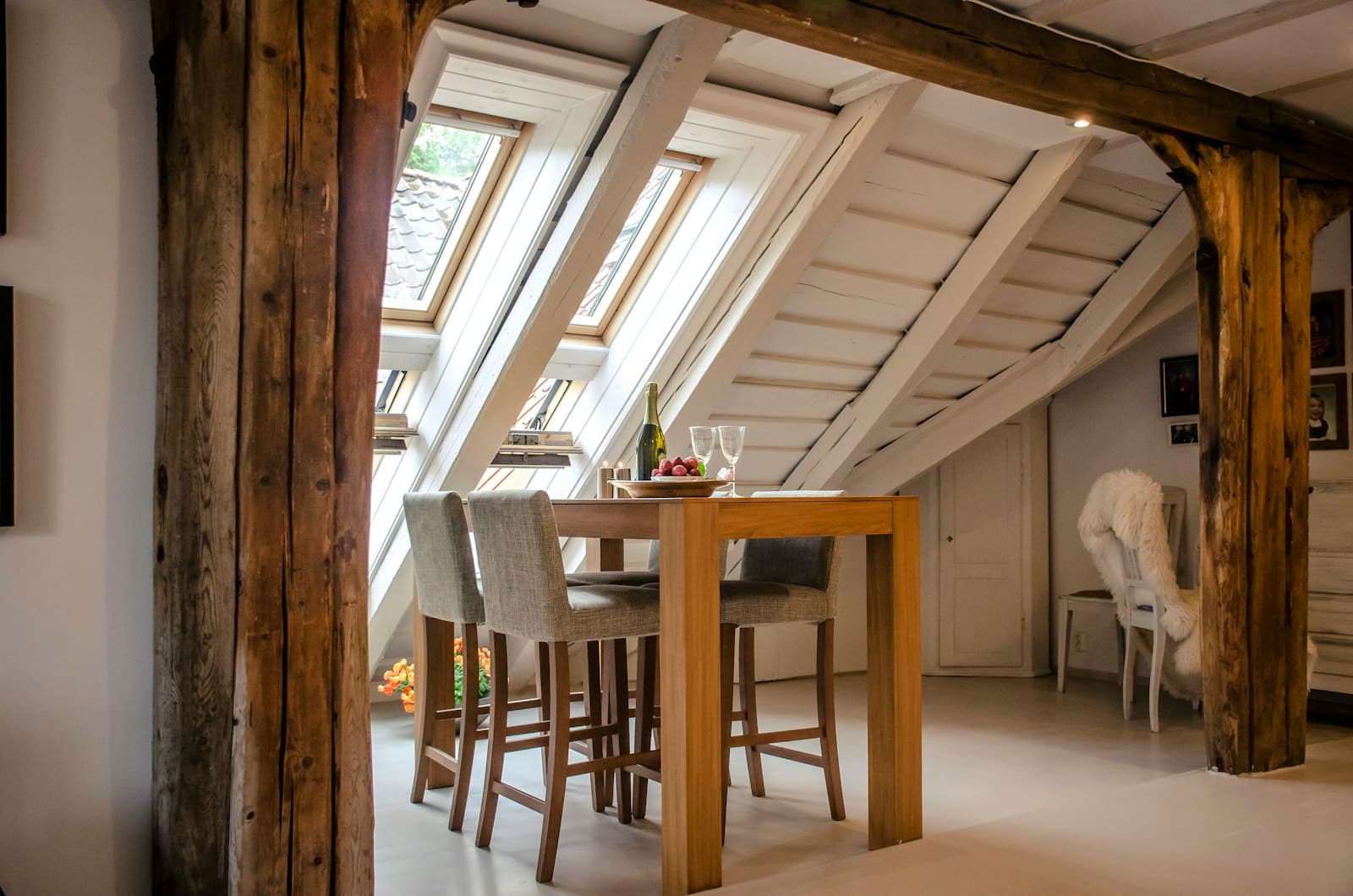
Insulating the sloping ceilings, stud walls, flat ceiling, gables and dormer cheeks of an attic room.
Loft conversion insulation
The full insulation package a new loft conversion needs to meet Part L.
Pitched roof insulation from inside
Insulation between and under the rafters to turn a cold loft into a warm one.
Warm roof (over-rafter) insulation
Rigid insulation laid over the rafters while the roof is being replaced.

Flat roof warm deck
PIR insulation over the deck with a new single-ply, GRP, EPDM or felt covering.

Inverted and green flat roofs
XPS insulation above the waterproofing under ballast, paving or a sedum roof.
Cold deck flat roof upgrade
Insulation fitted between the joists from below, only where a warm deck isn't possible.
Conservatory roof conversion
Replacing a polycarbonate or glass conservatory roof with an insulated solid or tiled roof.
Garage and outbuilding roofs
Insulating garage, garden room and outbuilding roofs, often with a new covering.
Spray foam insulation (open-cell)
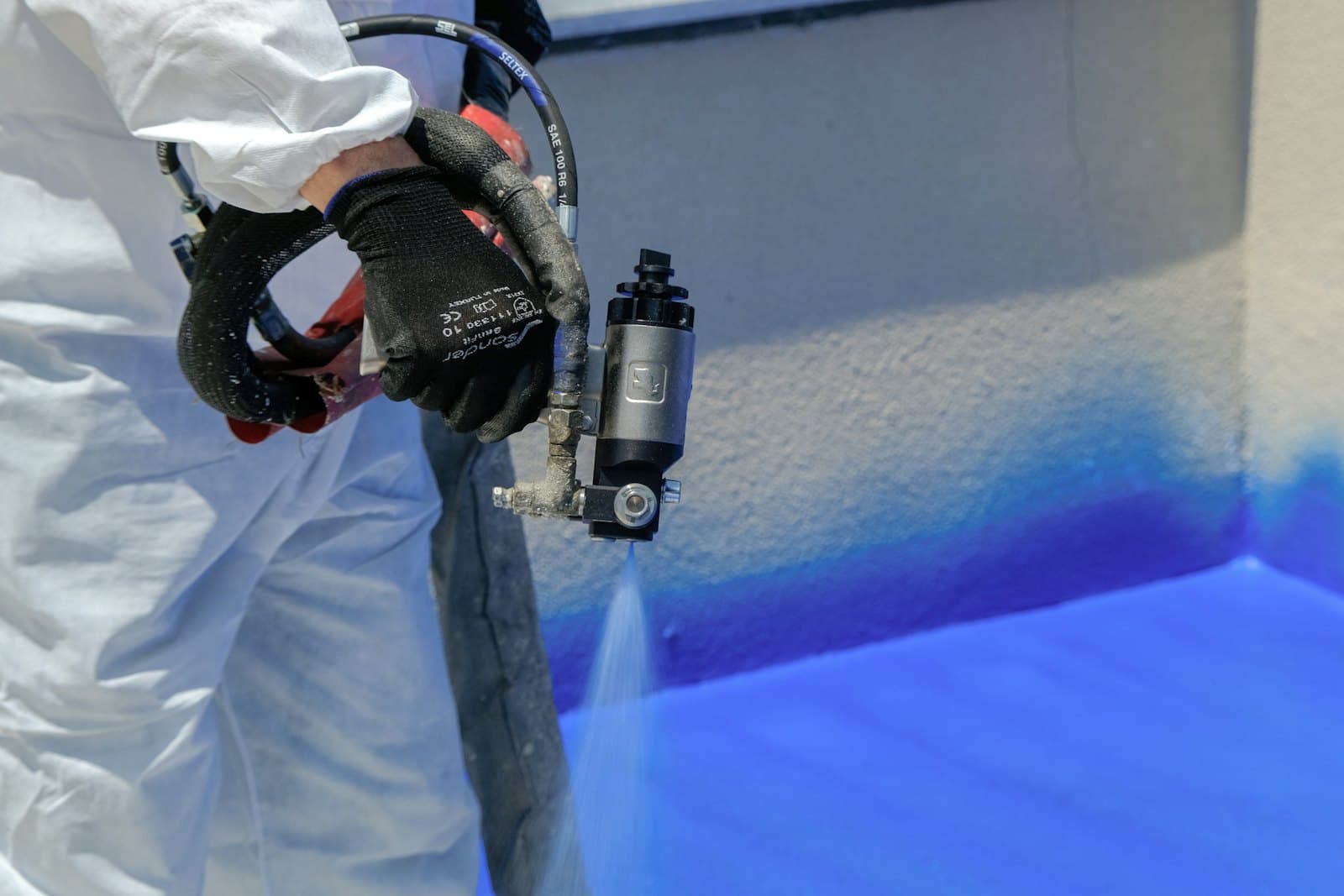
Certified open-cell spray foam, only after an independent suitability assessment.
Spray foam removal
Removing spray foam, inspecting the timbers and re-insulating with breathable materials.
Prices
What loft and roof costs
| Measure | Mid-terrace | Semi / end-terrace | Detached | Bungalow | Flat / block |
|---|---|---|---|---|---|
| Loft insulation (new or top-up) | £500–£1,000 | £600–£1,300 | £900–£1,800 | £900–£2,000 | £400–£900top floor |
| Loft clearance and replacement | £1,200–£2,500 | £1,500–£3,000 | £2,000–£4,000 | £2,000–£4,500 | £900–£2,000 |
| Room-in-roof | £3,500–£7,000 | £4,000–£9,000 | £5,500–£12,000 | £4,500–£9,000chalet | £3,000–£6,000 |
Indicative ranges for London and the South East, supplied and installed, including VAT, before grants. Updated 11 October 2026. A survey confirms your final price.
| Service | Typical range, installed |
|---|---|
| Raised loft boarding with insulation (per 10 m²) | £600–£1,200 per 10 m² |
| Pitched roof between/under-rafter PIR (from inside) | £45–£80 per m² |
| Flat roof warm-deck insulation with new covering | £110–£170 per m² |
| Spray foam, roof (open-cell, with independent assessment) | £1,800–£4,500 |
| Spray foam removal and re-insulation | £2,500–£6,500 |
Indicative ranges for London and the South East, supplied and installed, including VAT. Updated 11 October 2026. A survey confirms your final price.
0% VAT on energy-saving materials
Insulation, solar panels, batteries and heat pumps installed in homes in Great Britain are zero-rated for VAT until 31 March 2027. Windows and doors are not included.Spray foam, done safely
Assessment first. Always.
RICS has warned that some lenders and valuers refuse properties with spray foam, and that independent suitability checks are needed. So we never quote an installation until the roof has been assessed — and we'll tell you if mineral wool is the better answer.
- Assessment firstA paid Spray Foam Suitability Assessment — roof structure, ventilation, moisture and lender position — comes before any installation quote.
- Open-cell, certified systems onlyYour quote names the system, its BBA or KIWA certificate and the installer's training card. Closed-cell foam on timber roofs is never offered as a standard option.
- Mortgage-ready paperworkEvery install comes with the assessment, photos before and after, and a certificate pack in the format current lender guidance asks for.
- Removal when it's the right answerIf spray foam is blocking a sale or remortgage, we remove it, inspect the timbers and re-insulate with breathable materials.
- Honest answersSome lenders and valuers refuse properties with spray foam. We say so plainly — and recommend mineral wool wherever it's the better choice.
Spray foam suitability assessment: £250–£450 — roof structure, ventilation, moisture and lender position, credited if you go ahead.
Book an assessmentHow it works
Survey, check, install, guarantee
- 1
Survey
A surveyor visits, measures and checks the construction — borescope for cavities, moisture and ventilation for roofs — then confirms what suits your home and the final price.
- 2
Condensation risk and PAS 2035, where needed
Internal and external wall insulation and roof conversions get a condensation risk analysis for each build-up. Funded and whole-house jobs follow PAS 2035, starting with a retrofit assessment.
- 3
Install
We install to the manufacturer's or system holder's specification, with one named contact throughout. Scaffolding, making good and any building control are set out in your quote.
- 4
Guarantee and paperwork
You get the paperwork for what's installed — the guarantee from the relevant body or manufacturer, explained before you sign, plus any building control or competent-person certificates.
Grants and savings that may help
- ECO4Closes in 73 days
Up to fully funded; paid by energy suppliers per measure
Grant via local councils (£960m nationally in 2026/27)
- Social Housing Fund
Landlord-led bids
Saves 20% VAT
- Local schemes
Varies
Eligibility depends on your circumstances and is confirmed by evidence and the funder or council.
Grant schemes change often. Our 60-second checker uses the current rules and tells you plainly whether you're likely, possibly or not eligible — and we never call funded work free without saying it depends on eligibility.
Check my eligibilityQuestions
Loft and Roof: common questions
What's the cheapest way to insulate a roof?
For a cold loft, mineral wool laid between and across the joists to 270–300 mm is usually the lowest-cost, best-proven option. Pitched roof, warm roof and spray foam options cost more and suit specific situations.
Should I insulate the loft floor or the roof slope?
If the loft is only used for light storage, insulate the floor (a cold loft) — it's cheaper and keeps the roof ventilated. Insulate the slope (a warm loft) if you want the roof space warm for storage, plant or a future conversion.
Is spray foam a good way to insulate my roof?
Only for selected roofs, and only after an independent suitability assessment. Some lenders and valuers refuse properties with spray foam, so for most lofts mineral wool is the better choice.
Begin your project
Price your insulation in two minutes
Prices by property type, with grants and 0% VAT applied where they fit. A survey always confirms the final figure.