Insulation · Group B
Cavity and internal walls — the right wall, the right way.
Cavity fill, extraction and refill, wall ties and internal wall insulation for solid walls.
Build-up
Filled cavity wall
- 1Plaster
- 2Inner leaf
- 3Cavity filled with blown mineral wool or bonded bead
- 4Outer leaf of brick
Overview
About cavity and internal walls
Walls are where most homes lose the largest share of their heat. If your walls have an empty cavity, filling it is usually one of the best-value improvements there is — after a borescope survey to check the cavity, the brickwork and how exposed the walls are.
Solid walls have no cavity to fill. Where the outside must not change, internal wall insulation lines them from inside — with breathable wood-fibre, cork or hemp-lime systems for period and listed homes, and a condensation risk analysis on every build-up.
Every service in group B
11 ways we can help
Cavity wall insulation
A borescope survey, then blown mineral wool or bonded bead injected into empty cavity walls.
Cavity wall extraction and refill
Failed, wet or slumped cavity insulation removed, wall ties checked, then refilled.
Cavity wall tie replacement
Replacing corroded wall ties, often found during cavity extraction.
Cavity survey only
Borescope and thermal imaging to show whether a wall is empty, part-filled or failed.
Party wall cavity insulation
Filling cavity party walls to stop hidden 'party wall bypass' heat loss.
Narrow and hard-to-treat cavities
Specialist bead or wool systems for narrow, stone-faced, exposed or high-rise cavities.

Internal wall insulation (IWI)
Insulated plasterboard or stud systems fitted inside solid walls where the outside must not change.
Breathable IWI for period homes
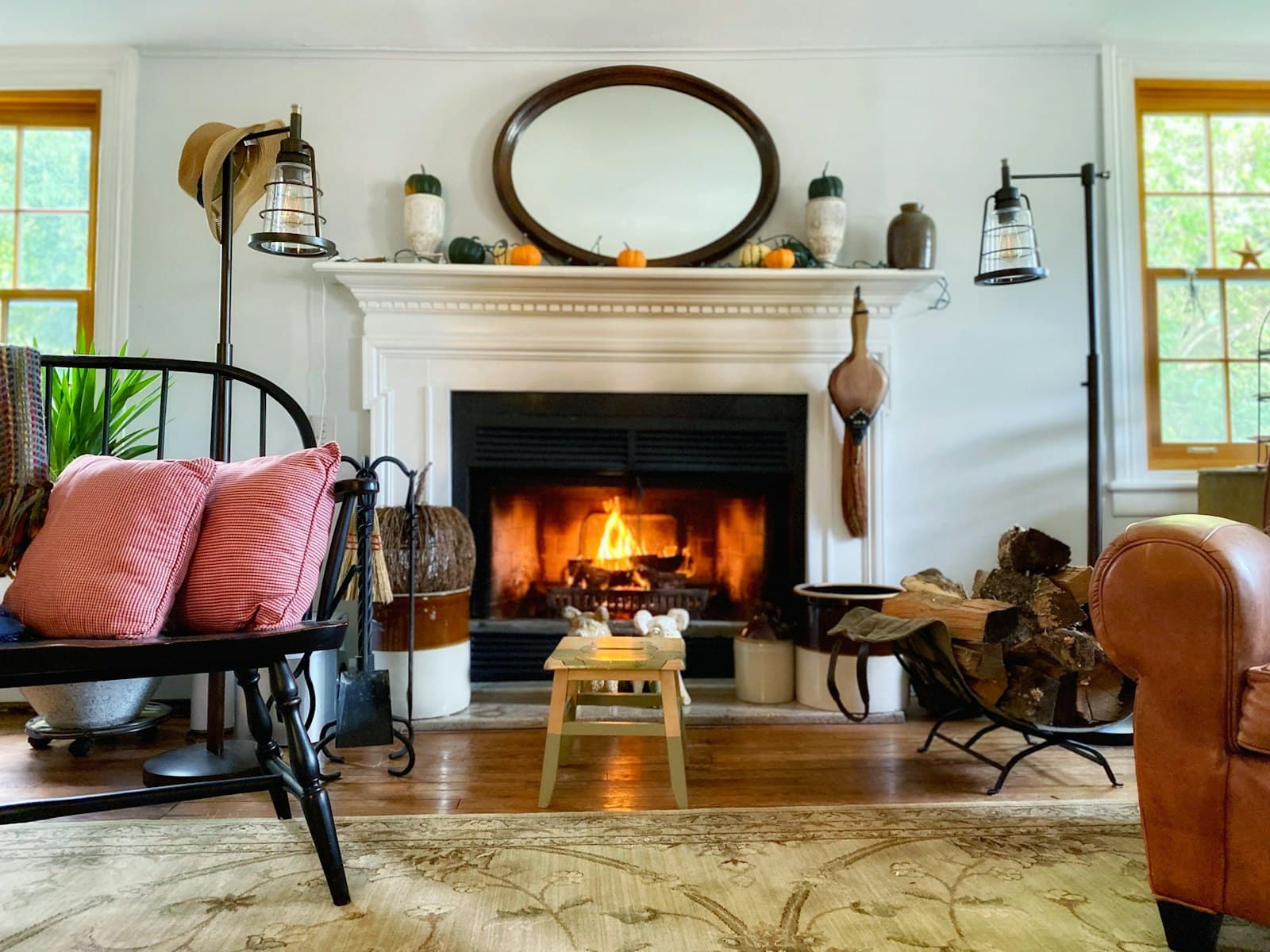
Wood-fibre, cork or hemp-lime systems that let solid walls stay dry.
Thin internal liners and aerogel
Slim aerogel or thin boards where floor space matters.
Timber frame walls
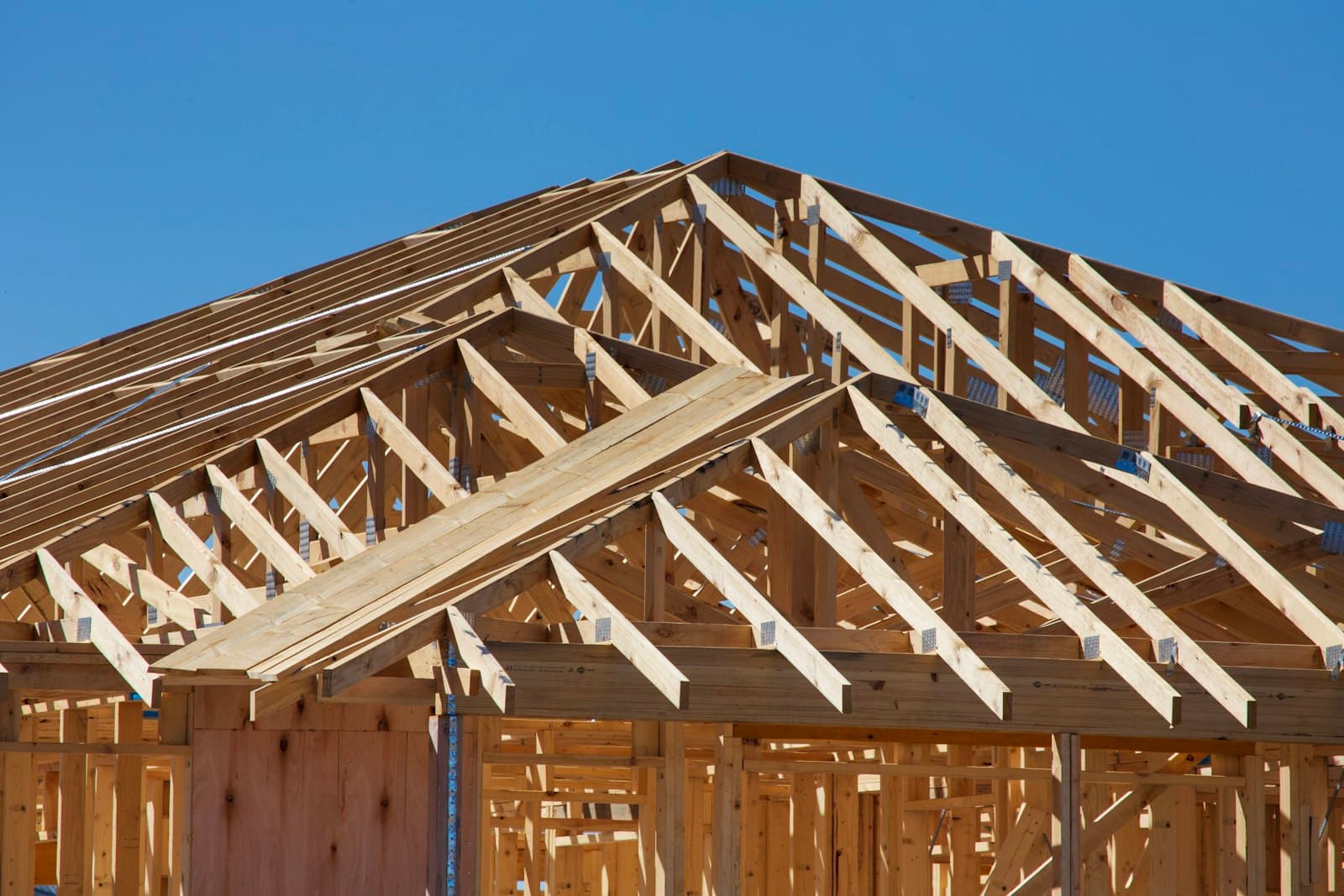
Mineral wool or wood-fibre between the studs with a vapour control layer.
Bay, dormer and reveal insulation
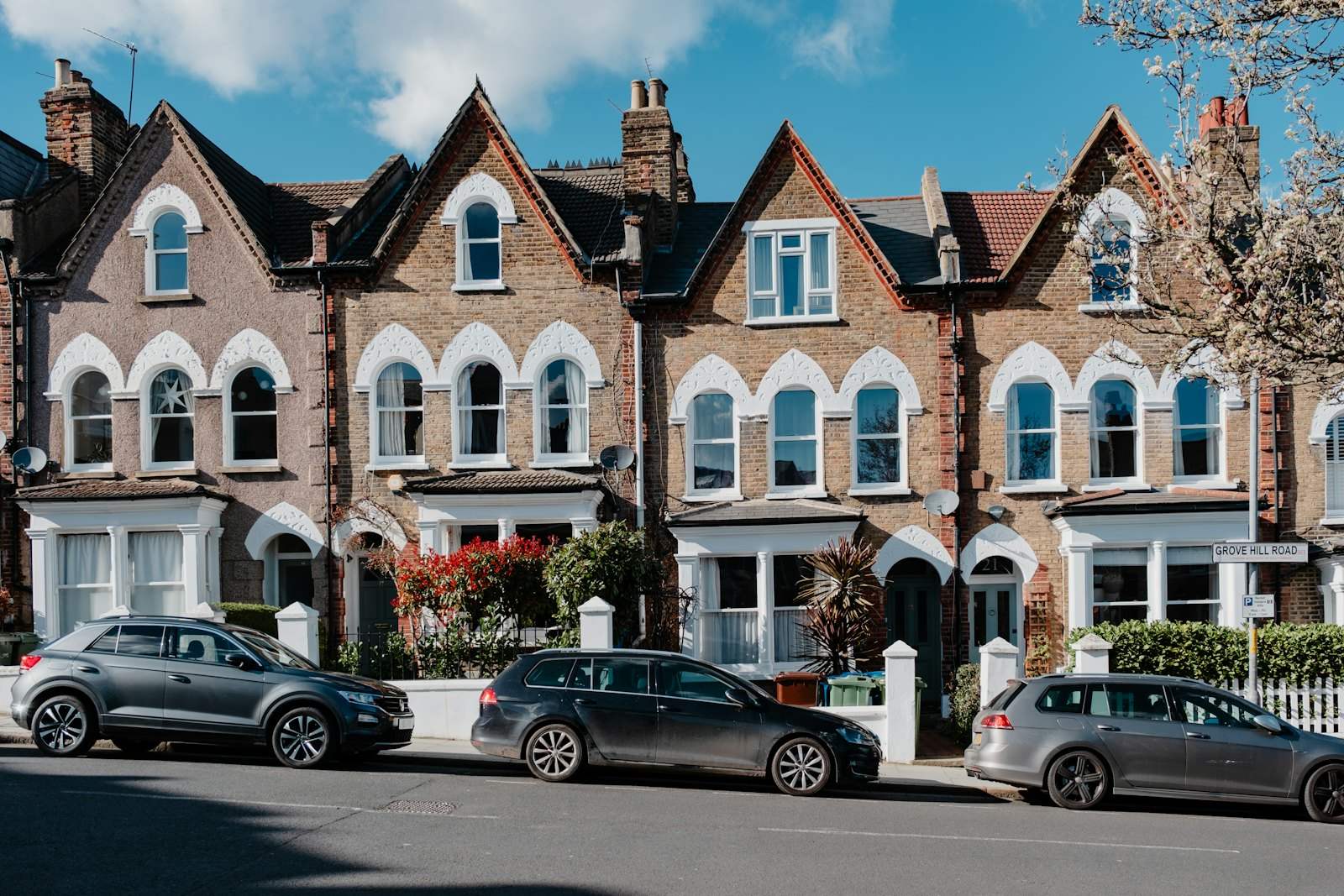
Insulating bay walls, dormer cheeks and window reveals to remove cold spots.
Prices
What cavity and internal walls costs
| Measure | Mid-terrace | Semi / end-terrace | Detached | Bungalow | Flat / block |
|---|---|---|---|---|---|
| Cavity wall insulation | £800–£1,500 | £1,200–£2,500 | £2,000–£3,500 | £1,000–£2,000 | £600–£1,200 per flatper flat |
| Cavity extraction and refill | £2,500–£4,500 | £3,500–£7,500 | £6,000–£11,000 | £3,000–£6,000 | Block survey |
| Internal wall insulation (whole home) | £7,000–£14,000 | £10,000–£20,000 | £15,000–£30,000 | £9,000–£18,000 | £5,000–£10,000 |
Indicative ranges for London and the South East, supplied and installed, including VAT, before grants. Updated 11 October 2026. A survey confirms your final price.
0% VAT on energy-saving materials
Insulation, solar panels, batteries and heat pumps installed in homes in Great Britain are zero-rated for VAT until 31 March 2027. Windows and doors are not included.How it works
Survey, check, install, guarantee
- 1
Survey
A surveyor visits, measures and checks the construction — borescope for cavities, moisture and ventilation for roofs — then confirms what suits your home and the final price.
- 2
Condensation risk and PAS 2035, where needed
Internal and external wall insulation and roof conversions get a condensation risk analysis for each build-up. Funded and whole-house jobs follow PAS 2035, starting with a retrofit assessment.
- 3
Install
We install to the manufacturer's or system holder's specification, with one named contact throughout. Scaffolding, making good and any building control are set out in your quote.
- 4
Guarantee and paperwork
You get the paperwork for what's installed — the guarantee from the relevant body or manufacturer, explained before you sign, plus any building control or competent-person certificates.
Grants and savings that may help
- ECO4Closes in 73 days
Up to fully funded; paid by energy suppliers per measure
Grant via local councils (£960m nationally in 2026/27)
- Social Housing Fund
Landlord-led bids
Saves 20% VAT
- Local schemes
Varies
Eligibility depends on your circumstances and is confirmed by evidence and the funder or council.
Grant schemes change often. Our 60-second checker uses the current rules and tells you plainly whether you're likely, possibly or not eligible — and we never call funded work free without saying it depends on eligibility.
Check my eligibilityQuestions
Cavity and Internal Walls: common questions
Do I have cavity walls or solid walls?
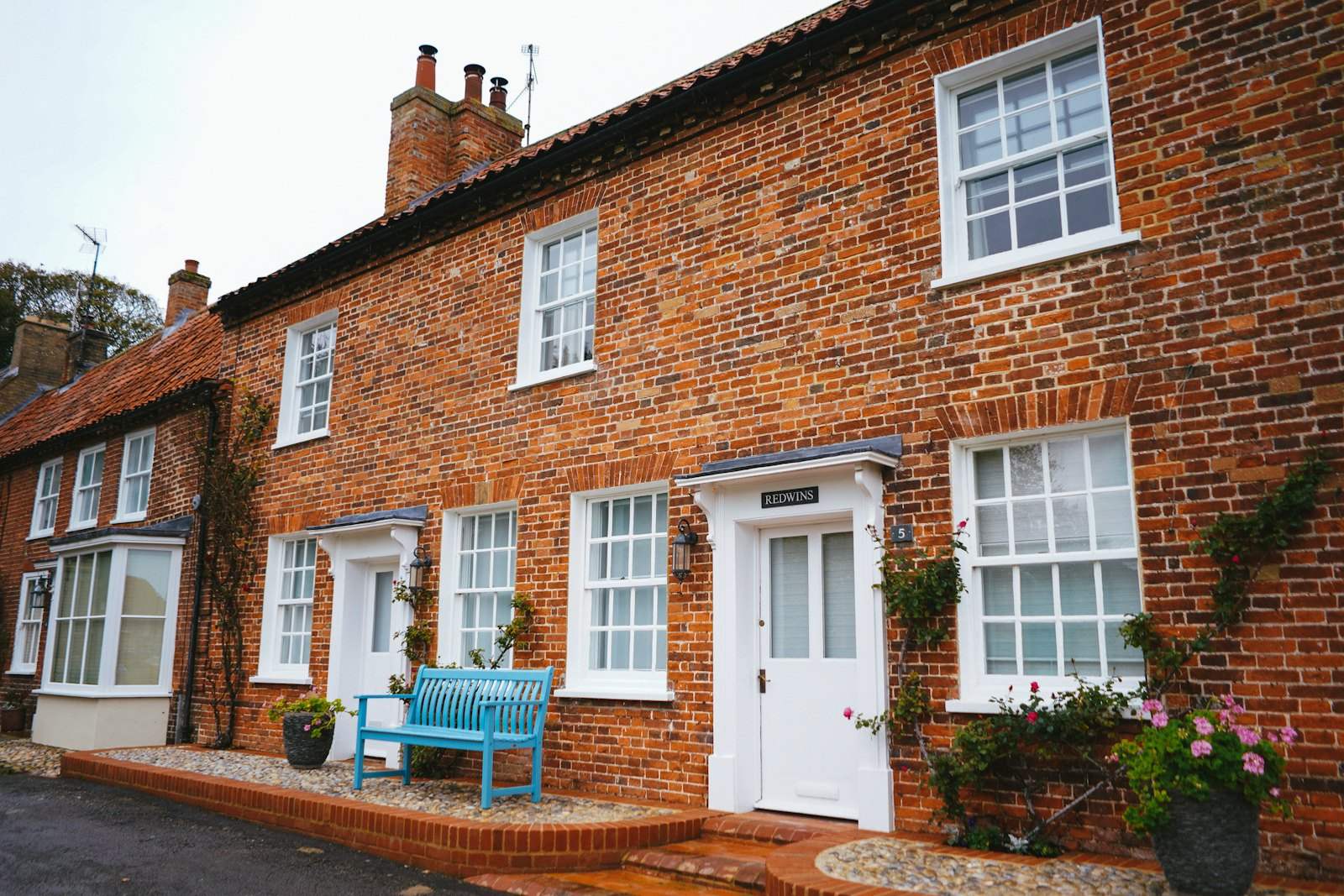
Most homes built from the 1920s onwards have cavity walls; most Victorian and Edwardian homes have solid walls. Cavity brickwork usually shows only the long sides of the bricks, while solid walls show alternating ends and sides. A borescope survey confirms it.
Is internal or cavity wall insulation better?
They're for different walls. If you have an empty cavity, cavity fill is far cheaper and less disruptive. Internal wall insulation is for solid walls, or for cavity walls that can't be filled.
Can cavity wall insulation be removed if it fails?
Yes. Failed, wet or slumped insulation can be extracted, the wall ties checked and the cavity refilled with a suitable system once the cause is fixed.
Begin your project
Price your insulation in two minutes
Prices by property type, with grants and 0% VAT applied where they fit. A survey always confirms the final figure.