Group B · Cavity and internal walls
Cavity wall insulation
A borescope survey, then blown mineral wool or bonded bead injected into empty cavity walls.
Price by property type
Cavity wall insulation
- Mid-terrace£800–£1,500
- Semi / end-terrace£1,200–£2,500
- Detached£2,000–£3,500
- Bungalow£1,000–£2,000
- Flat / block£600–£1,200 per flatper flat
Before grants · updated 11 October 2026 · a survey confirms the final figure.
- Best for
- Unfilled cavity walls, post-1920s homes
- Guarantee or standard
- CIGA 25-year guarantee
- Time on site
- Cavity fill is usually done in a day for a typical house.
- Typical price
- From £800
What it is
What is cavity wall insulation?
A borescope survey, then blown mineral wool or bonded bead injected into empty cavity walls.
Best for: Unfilled cavity walls, post-1920s homes.
Build-up
Filled cavity wall
- 1Plaster
- 2Inner leaf
- 3Cavity filled with blown mineral wool or bonded bead
- 4Outer leaf of brick
Who it suits
Which homes is cavity wall insulation suitable for?
Is my home suitable?
Pick your property type for a straight answer on cavity wall insulation.
Guidance only — every home is different, and a survey confirms what suits yours.
Houses
Flats and blocks of flats
Commercial and public buildings
Usually suitable Depends — a survey confirms
Not usually suitable for 9 property types
- Mews house and cottage — Homes of this type usually have solid walls with no cavity to fill. Internal or external wall insulation is the route.
- Period home — Homes of this type usually have solid walls with no cavity to fill. Internal or external wall insulation is the route.
- Non-traditional / system-built — Most system-built homes (concrete panels, no-fines concrete, steel or timber frame) have no conventional cavity to fill. EWI is often the only route.
- Listed building or conservation area — Homes of this type usually have solid walls with no cavity to fill. Internal or external wall insulation is the route.
- Farmhouse, barn conversion or rural home — Homes of this type usually have solid walls with no cavity to fill. Internal or external wall insulation is the route.
- New build or self-build — New homes are built with insulated cavities, so there's nothing to fill.
- Park and mobile home — Park and mobile homes need specialist systems, which we arrange through a partner rather than standard measures.
- Converted flat — Homes of this type usually have solid walls with no cavity to fill. Internal or external wall insulation is the route.
- Mansion block — Homes of this type usually have solid walls with no cavity to fill. Internal or external wall insulation is the route.
Materials and brands
What we use
Borescope survey, then injected blown mineral wool (Knauf Supafil, Rockwool) or bonded EPS bead.
Insulation brands we work with
- Knauf Insulation (Earthwool, Supafil blown)
- Rockwool
- Superglass
- Isover
- Kingspan
- Celotex
- Recticel
- Xtratherm
- Steico wood-fibre
- YBS and Actis multifoil
The exact system and brand for your home are confirmed in your written quote.
Heat, bills and EPC
What it does for your heat loss, bills and EPC
An empty cavity lets heat pass straight through the wall. Filling it lowers the wall's U-value considerably, so rooms hold their heat for longer and the heating runs less — often one of the best-value measures on an EPC for homes with unfilled cavities. Solid walls lose even more heat; lining them inside gives a similar improvement, room by room.
See the EPC points and savings for your home in the EPC plannerU-value before and after, typical heat and bill saving, and EPC points — worked out for your property.Price
How much does cavity wall insulation cost?
Prices change with your property type. Pick your column — the quote builder then refines it for your home.
| Measure | Mid-terrace | Semi / end-terrace | Detached | Bungalow | Flat / block |
|---|---|---|---|---|---|
| Cavity wall insulation | £800–£1,500 | £1,200–£2,500 | £2,000–£3,500 | £1,000–£2,000 | £600–£1,200 per flatper flat |
Indicative ranges for London and the South East, supplied and installed, including VAT, before grants. Updated 11 October 2026. A survey confirms your final price.
0% VAT on energy-saving materials
Insulation, solar panels, batteries and heat pumps installed in homes in Great Britain are zero-rated for VAT until 31 March 2027. Windows and doors are not included.What to expect
Time on site, disruption and approvals
Time on site
Cavity fill is usually done in a day for a typical house. Extraction and internal wall insulation take longer and are confirmed at survey.
Disruption
Cavity work is done from outside through small drilled holes, which are filled and colour-matched afterwards. Internal wall insulation means clearing the rooms being done.
Planning and building control
Cavity wall insulation must comply with Building Regulations and is certified through a competent person scheme or building control. Internal wall insulation doesn't need planning, but listed buildings need consent.
Guarantee and standard
CIGA 25-year guarantee. The guarantee and certification for your job are confirmed in writing in your quote.
60-second grant check
Could a grant help pay for it?
Grant eligibility checker
About 60 seconds · plain results: likely, possibly or not eligible
Before we start
What type of property is it?
Questions
Cavity wall insulation: your questions answered
How much does cavity wall insulation cost?
Typical installed prices in London and the South East, including VAT and before any grant: £800–£1,500 for a mid-terrace; £1,200–£2,500 for a semi-detached or end-of-terrace house; £2,000–£3,500 for a detached house; £1,000–£2,000 for a bungalow; £600–£1,200 per flat for a flat. Prices updated 11 October 2026. A survey confirms your final figure.
How do I know if my walls have a cavity?
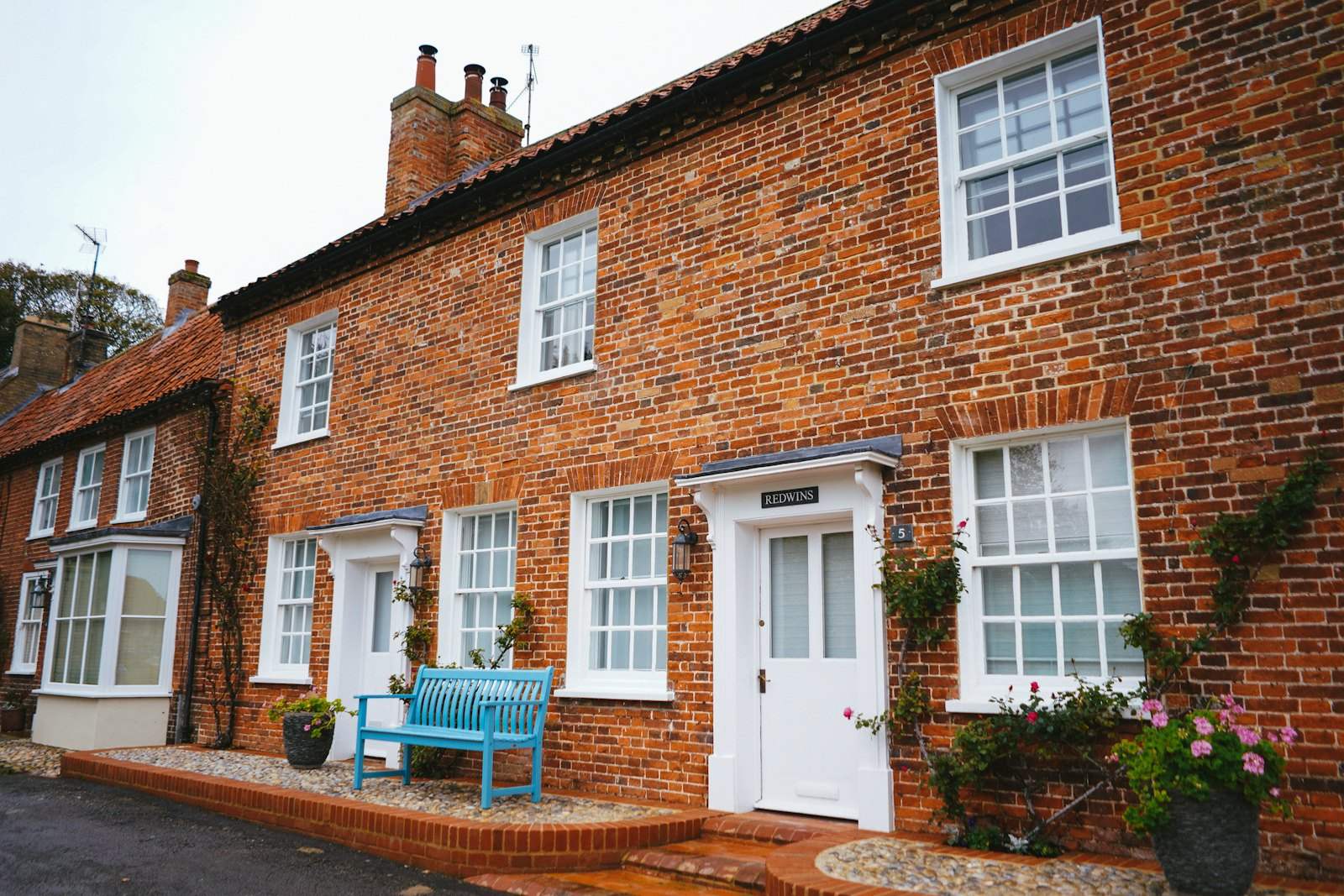
Cavity walls usually show only the long sides of the bricks in a regular pattern, while solid walls show alternating ends and sides. A borescope survey confirms it — and whether the cavity is empty, part-filled or failed.
Is cavity wall insulation suitable for every home?
No. We check the cavity width, the condition of the brickwork and pointing, how exposed the walls are to driving rain, and the wall ties before recommending it. Very exposed walls may need a specialist system or a different approach.
Can cavity wall insulation cause damp?
On an unsuitable wall, or installed badly, it can — which is why we survey first, choose a system approved for the exposure, and fix defects such as failed pointing or leaking gutters before filling.
What guarantee comes with cavity wall insulation?
Cavity wall insulation is usually backed by a long-term guarantee, such as a CIGA guarantee. The guarantee for your job is confirmed in writing in your quote.
Group B
More in cavity and internal walls
Cavity wall extraction and refill
Failed, wet or slumped cavity insulation removed, wall ties checked, then refilled.
Cavity wall tie replacement
Replacing corroded wall ties, often found during cavity extraction.
Cavity survey only
Borescope and thermal imaging to show whether a wall is empty, part-filled or failed.
Party wall cavity insulation
Filling cavity party walls to stop hidden 'party wall bypass' heat loss.
Narrow and hard-to-treat cavities
Specialist bead or wool systems for narrow, stone-faced, exposed or high-rise cavities.
Internal wall insulation (IWI)
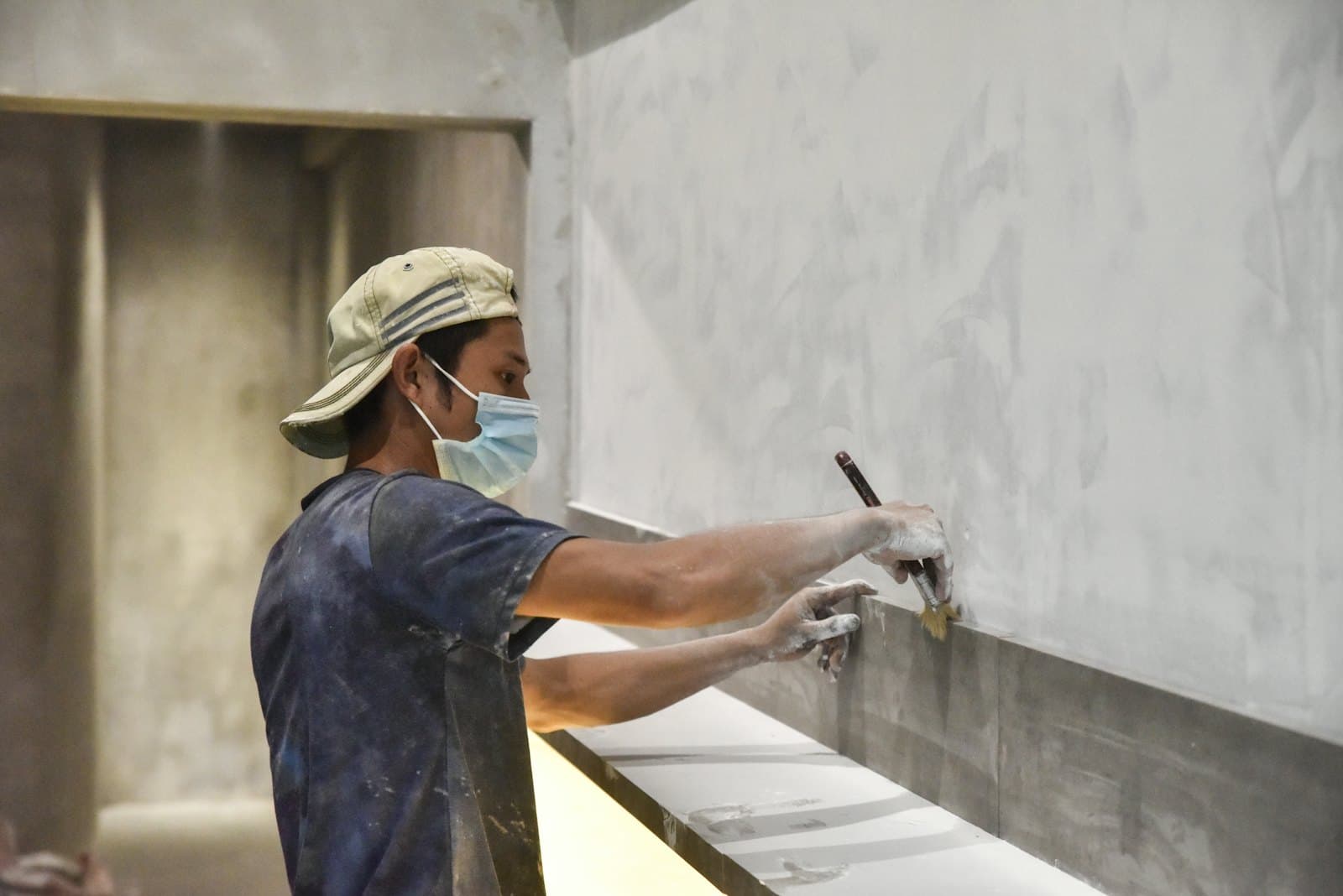
Insulated plasterboard or stud systems fitted inside solid walls where the outside must not change.
Begin your project
Price cavity wall insulation in two minutes
See a price range for your property type, with grants and 0% VAT applied where they fit. A survey always confirms the final figure.