Who we help · Insulation
Insulation for flats and maisonettes — what your floor and your lease allow.
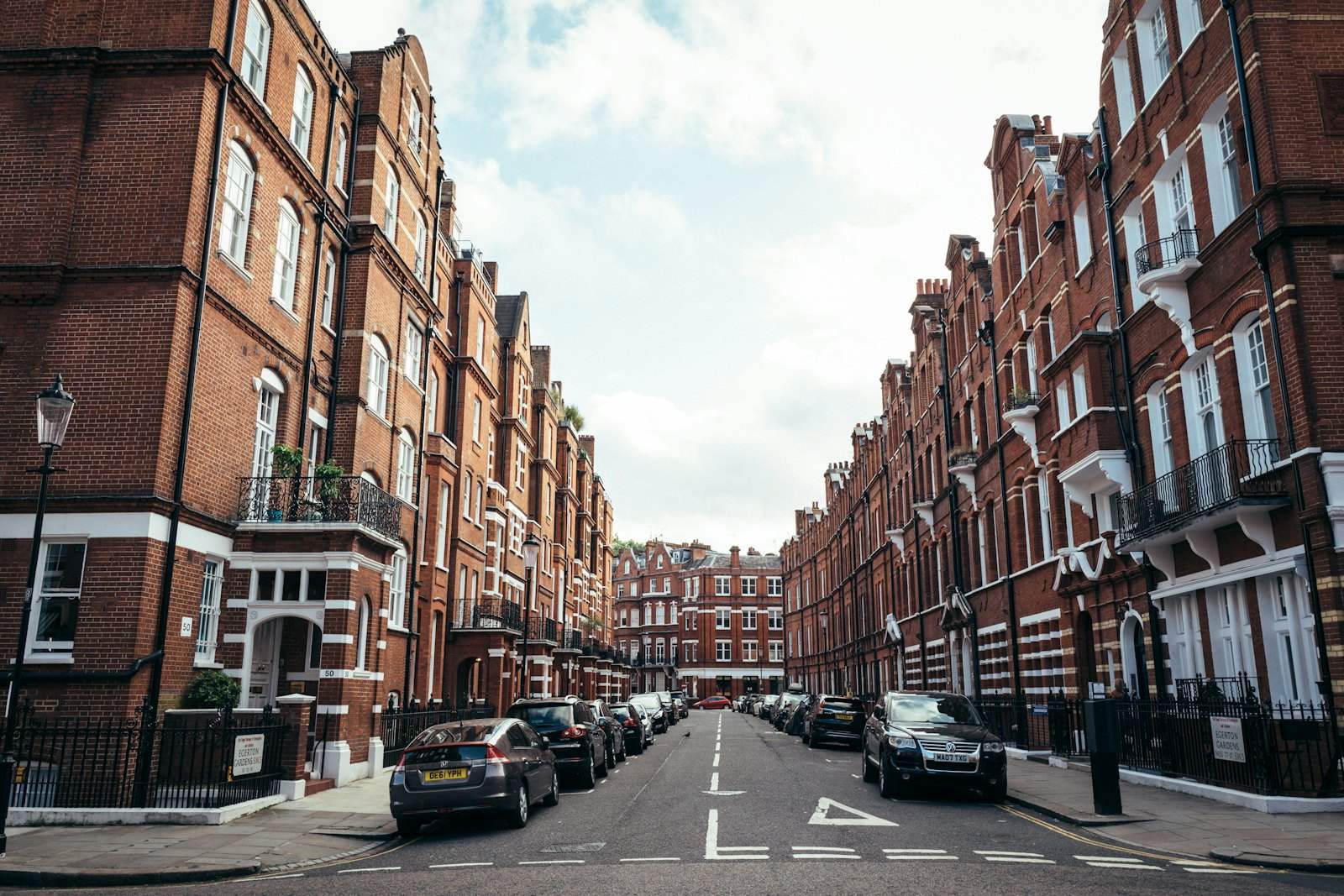
Which insulation suits a flat depends on where it sits in the building. Top-floor flats lose heat through the roof, ground-floor flats through the floor, and every flat through its external walls and windows. Work inside your flat is usually yours to arrange; anything outside, or to the roof, involves the freeholder.
Typical prices
Flat / block
- Internal wall insulation (whole home)£5,000–£10,000
- Loft insulation (new or top-up)£400–£900top floor
- Suspended floor insulation£1,200–£3,000ground floor
- Draught-proofing£200–£500
Before grants · updated 11 October 2026 · a survey confirms the final figure.
Property types covered
Construction, heat loss and watch-outs
Converted flat
Full guide- Typical construction
- Victorian or Edwardian solid walls
- Where heat is lost
- External walls, top-floor roof, ground floor
- Usual measures
- IWI, loft (top flat), floor (ground flat), sash upgrades
- Watch-outs
- Freeholder consent for external work
Purpose-built flat
Full guide- Typical construction
- Cavity or concrete frame
- Where heat is lost
- External walls, windows
- Usual measures
- IWI, glazing, draught-proofing
- Watch-outs
- Lease and freeholder rules
Ground-floor, top-floor flat or maisonette
Full guide- Typical construction
- Varies
- Where heat is lost
- Floor (ground), roof (top)
- Usual measures
- Floor or loft and roof insulation, EWI via block works
- Watch-outs
- Maisonettes often have own loft
Mansion block
Full guide- Typical construction
- Edwardian solid brick, large windows
- Where heat is lost
- Walls, windows, roof
- Usual measures
- IWI, secondary glazing, roof, communal works
- Watch-outs
- Conservation and leaseholder process
Ex-local-authority flat or maisonette
Full guide- Typical construction
- Concrete, cavity, system-built
- Where heat is lost
- Walls, roof, windows
- Usual measures
- Whole-block EWI, roof, windows
- Watch-outs
- Works usually via council or freeholder
Good to know
What makes these homes different
Top floor: the loft
Top-floor flats usually have the loft above them — but the roof space often belongs to the freeholder, so check your lease first. Maisonettes often have their own loft.
Ground floor: the floor
Ground-floor flats often sit over a suspended timber floor, which can be insulated between the joists — or a solid floor, best done during a renovation.
Every floor: walls, windows and draughts
Internal wall insulation is done inside your flat, so it usually doesn't need consent for the outside. Slim systems save space; breathable systems suit Victorian and Edwardian conversions.
Leaseholders and freeholders
Work inside your flat is usually yours to arrange, but check your lease. The roof, loft, external walls and windows are normally the freeholder's — so loft insulation for a top-floor flat, and anything outside, needs the freeholder's consent.Recommended measures
Where to start

Internal wall insulation (IWI)
Insulated plasterboard or stud systems fitted inside solid walls where the outside must not change.
Thin internal liners and aerogel
Slim aerogel or thin boards where floor space matters.

Breathable IWI for period homes
Wood-fibre, cork or hemp-lime systems that let solid walls stay dry.
Loft insulation
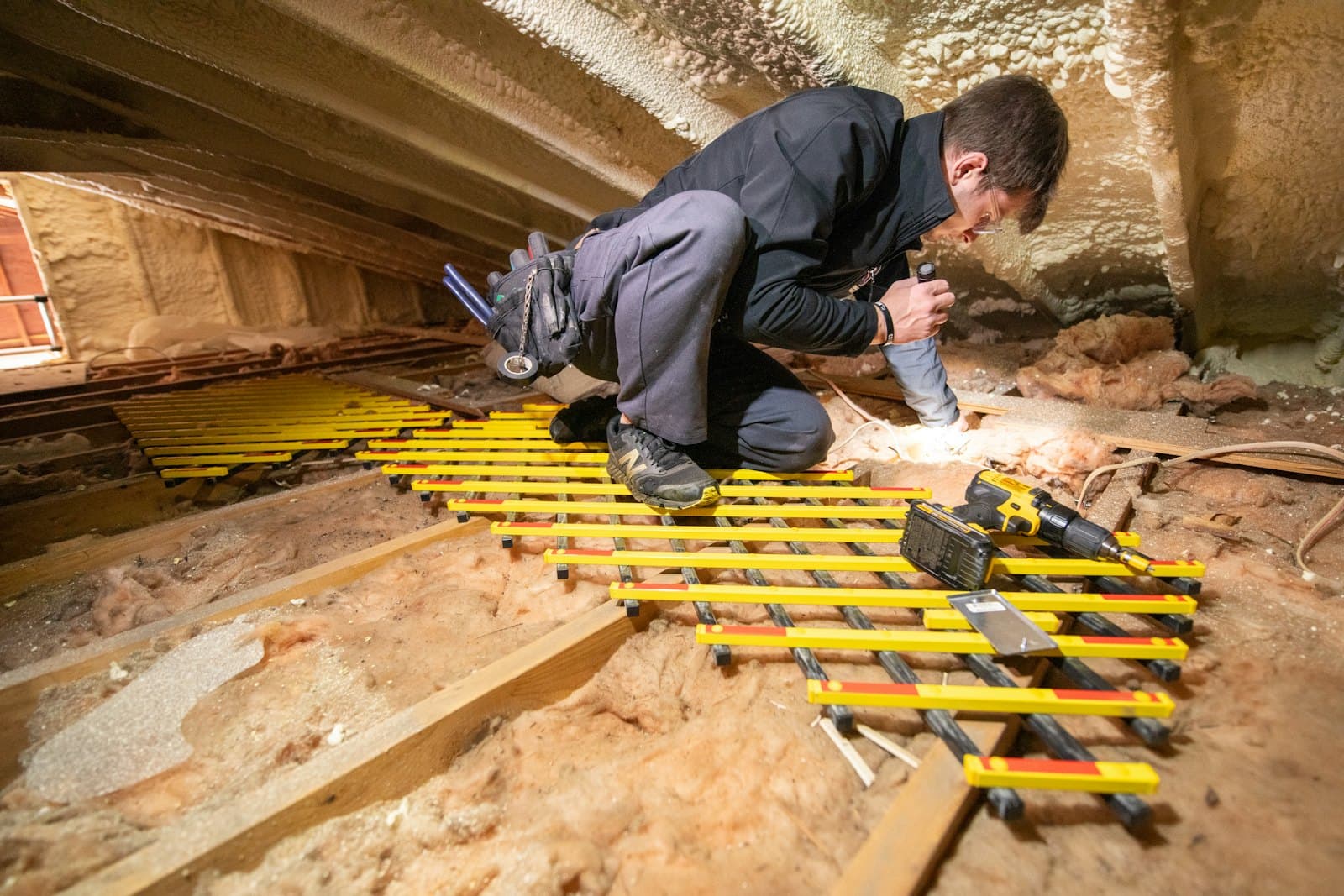
Mineral wool laid between and across the joists to 270–300 mm so heat stays in the rooms below.

Suspended timber floor insulation
Mineral wool or rigid board between the joists with an airtight membrane.
Solid floor insulation
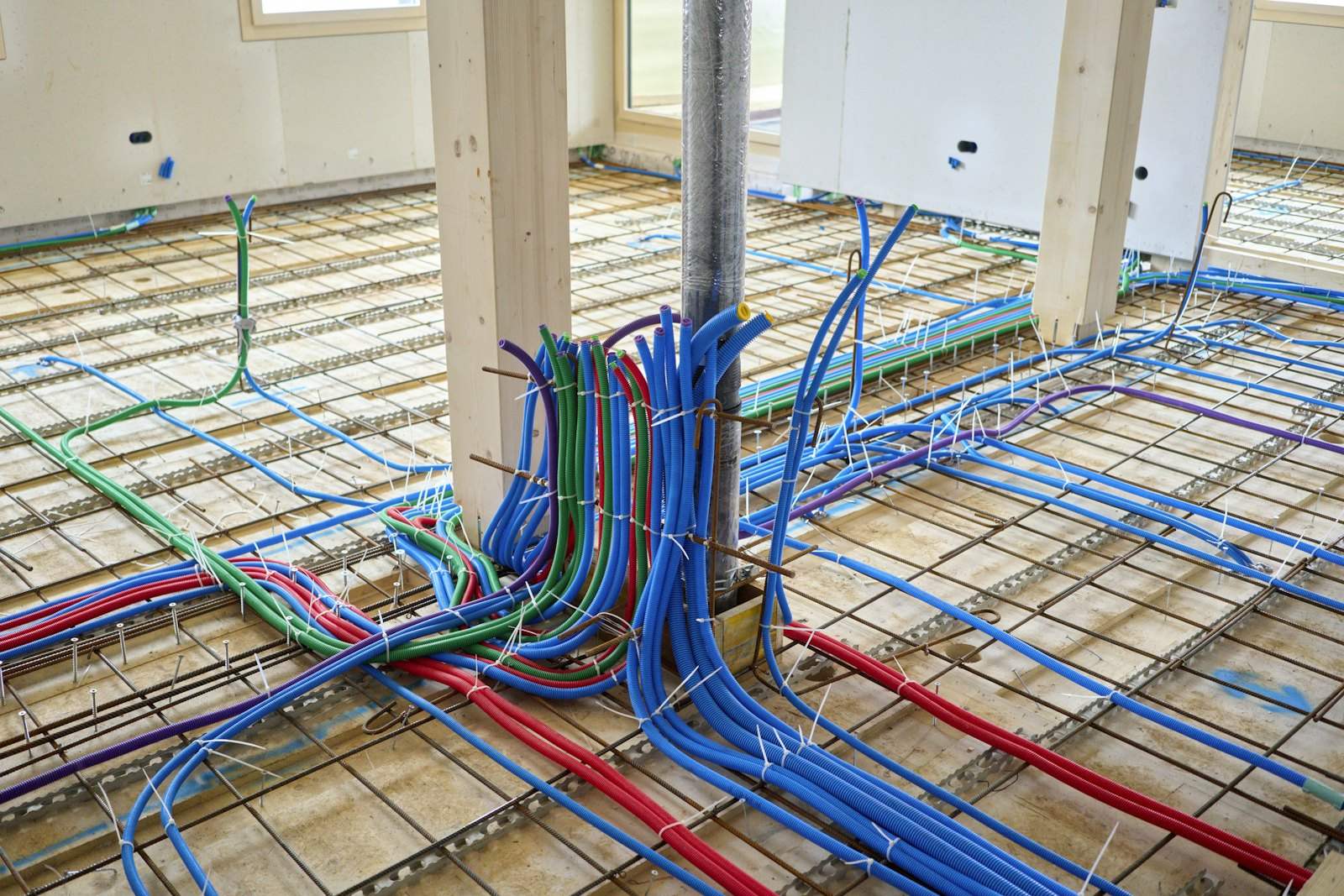
PIR or XPS boards over the slab with a new screed or floating floor.

Draught-proofing
Sealing doors, windows, letterboxes, hatches, floorboards and unused chimneys — every home's quick win.

Acoustic insulation
Sound insulation in floors, party walls and ceilings.
Prices
Insulation prices for flats and maisonettes
| Measure | Flat / block |
|---|---|
| Internal wall insulation (whole home) | £5,000–£10,000 |
| Loft insulation (new or top-up) | £400–£900top floor |
| Suspended floor insulation | £1,200–£3,000ground floor |
| Draught-proofing | £200–£500 |
Indicative ranges for London and the South East, supplied and installed, including VAT, before grants. Updated 11 October 2026. A survey confirms your final price.
Grants and savings that may help
- ECO4Closes in 73 days
Up to fully funded; paid by energy suppliers per measure
Grant via local councils (£960m nationally in 2026/27)
- Social Housing Fund
Landlord-led bids
Saves 20% VAT
- Local schemes
Varies
Eligibility depends on your circumstances and is confirmed by evidence and the funder or council.
0% VAT on energy-saving materials
Insulation, solar panels, batteries and heat pumps installed in homes in Great Britain are zero-rated for VAT until 31 March 2027. Windows and doors are not included.Questions
Common questions
Can I insulate my flat without the freeholder's permission?
Work inside your flat — internal wall insulation, floor insulation, draught-proofing — usually doesn't change the building's structure or outside, but leases vary, so check yours. External walls, the roof and the loft normally need the freeholder's consent.
Can a flat have external wall insulation?
Not on its own. Flats have no permitted development rights for EWI and the outside walls belong to the building, so EWI is done as a whole-block project with the freeholder — see our blocks of flats page.
Can a top-floor flat have loft insulation?
Usually yes, if the loft is above your flat — check your lease, as the roof space often belongs to the freeholder. Maisonettes often have their own loft.
What's the best insulation for a ground-floor flat?
The floor: suspended timber floors are insulated between the joists with an airtight membrane, which also stops draughts. Internal wall insulation and draught-proofing help on every floor.
Begin your project
Price insulation for your flat in two minutes
Tell us your property type and see a price range, with grants and 0% VAT applied where they fit. A survey always confirms the final figure.