
Group D · Floors, basements and underfloor heating
Underfloor insulation from the void
Insulation fitted from below through a crawl space, without lifting floorboards.
Price by property type
Suspended floor insulation
- Mid-terrace£1,200–£3,000
- Semi / end-terrace£1,500–£4,500
- Detached£2,500–£6,500
- Bungalow£2,500–£6,000
- Flat / block£1,200–£3,000ground floor
Before grants · updated 11 October 2026 · a survey confirms the final figure.
- Best for
- Homes with a deep enough void
- Guarantee or standard
- Survey of void
- Time on site
- Often quicker than lifting boards — typically one to two days for a typical ground floor, where the void allows.
- Typical price
- From £1,200
What it is
What is underfloor insulation from the void?
Insulation fitted from below through a crawl space, without lifting floorboards.
Best for: Homes with a deep enough void.
Build-up
Suspended timber floor
Room
Ventilated void
- 1Floorboards
- 2Airtight membrane
- 3Insulation between the joists
- 4Netting or battens
- 5Ventilated void — air bricks kept clear
Who it suits
Which homes is underfloor insulation from the void suitable for?
Is my home suitable?
Pick your property type for a straight answer on underfloor insulation from the void.
Guidance only — every home is different, and a survey confirms what suits yours.
Houses
- Detached house
- Semi-detached house
- End-of-terrace
- Mid-terrace
- Townhouse
- Mews house and cottage
- Detached bungalow
- Semi and terraced bungalow
- Chalet and dormer bungalow
- Period home
- 1930s home
- Post-war and ex-council house
- Non-traditional / system-built
- Listed building or conservation area
- Farmhouse, barn conversion or rural home
- New build or self-build
- Park and mobile home
Flats and blocks of flats
Commercial and public buildings
Usually suitable Depends — a survey confirms
Materials and brands
What we use
Insulation fitted from below through a crawl space, without lifting floorboards.
Insulation brands we work with
- Knauf Insulation (Earthwool, Supafil blown)
- Rockwool
- Superglass
- Isover
- Kingspan
- Celotex
- Recticel
- Xtratherm
- Steico wood-fibre
- YBS and Actis multifoil
The exact system and brand for your home are confirmed in your written quote.
Heat, bills and EPC
What it does for your heat loss, bills and EPC
Suspended timber floors lose heat through the boards and let cold air in through the gaps; solid floors conduct heat into the ground. Insulating the floor and sealing the gaps lowers the floor's U-value and cuts draughts, so rooms feel warmer at the same thermostat setting, and the EPC usually improves.
See the EPC points and savings for your home in the EPC plannerU-value before and after, typical heat and bill saving, and EPC points — worked out for your property.Price
How much does underfloor insulation from the void cost?
Prices change with your property type. Pick your column — the quote builder then refines it for your home.
| Measure | Mid-terrace | Semi / end-terrace | Detached | Bungalow | Flat / block |
|---|---|---|---|---|---|
| Suspended floor insulation | £1,200–£3,000 | £1,500–£4,500 | £2,500–£6,500 | £2,500–£6,000 | £1,200–£3,000ground floor |
Indicative ranges for London and the South East, supplied and installed, including VAT, before grants. Updated 11 October 2026. A survey confirms your final price.
0% VAT on energy-saving materials
Insulation, solar panels, batteries and heat pumps installed in homes in Great Britain are zero-rated for VAT until 31 March 2027. Windows and doors are not included.What to expect
Time on site, disruption and approvals
Time on site
Often quicker than lifting boards — typically one to two days for a typical ground floor, where the void allows.
Disruption
Low — nothing is lifted inside, though we need access to the void.
Planning and building control
No planning permission is needed. Underfloor ventilation must be kept clear, and new or renovated floors must meet Building Regulations Part L.
Guarantee and standard
Survey of void. The guarantee and certification for your job are confirmed in writing in your quote.
60-second grant check
Could a grant help pay for it?
Grant eligibility checker
About 60 seconds · plain results: likely, possibly or not eligible
Before we start
What type of property is it?
Questions
Underfloor insulation from the void: your questions answered
How much does underfloor insulation from the void cost?
Typical installed prices in London and the South East, including VAT and before any grant: £1,200–£3,000 for a mid-terrace; £1,500–£4,500 for a semi-detached or end-of-terrace house; £2,500–£6,500 for a detached house; £2,500–£6,000 for a bungalow; £1,200–£3,000 for a flat (ground floor). Prices updated 11 October 2026. A survey confirms your final figure.
How deep does the void need to be?
Deep enough for an installer to work in safely. We survey the void first and only recommend this method where access is suitable.
Do you need to lift any floorboards?
No — that's the advantage. The insulation is fitted between the joists from below, so carpets and floors stay as they are.
Which underfloor insulation system do you use?
The system is confirmed for your void at survey.
Group D
More in floors, basements and underfloor heating
Suspended timber floor insulation
Mineral wool or rigid board between the joists with an airtight membrane.
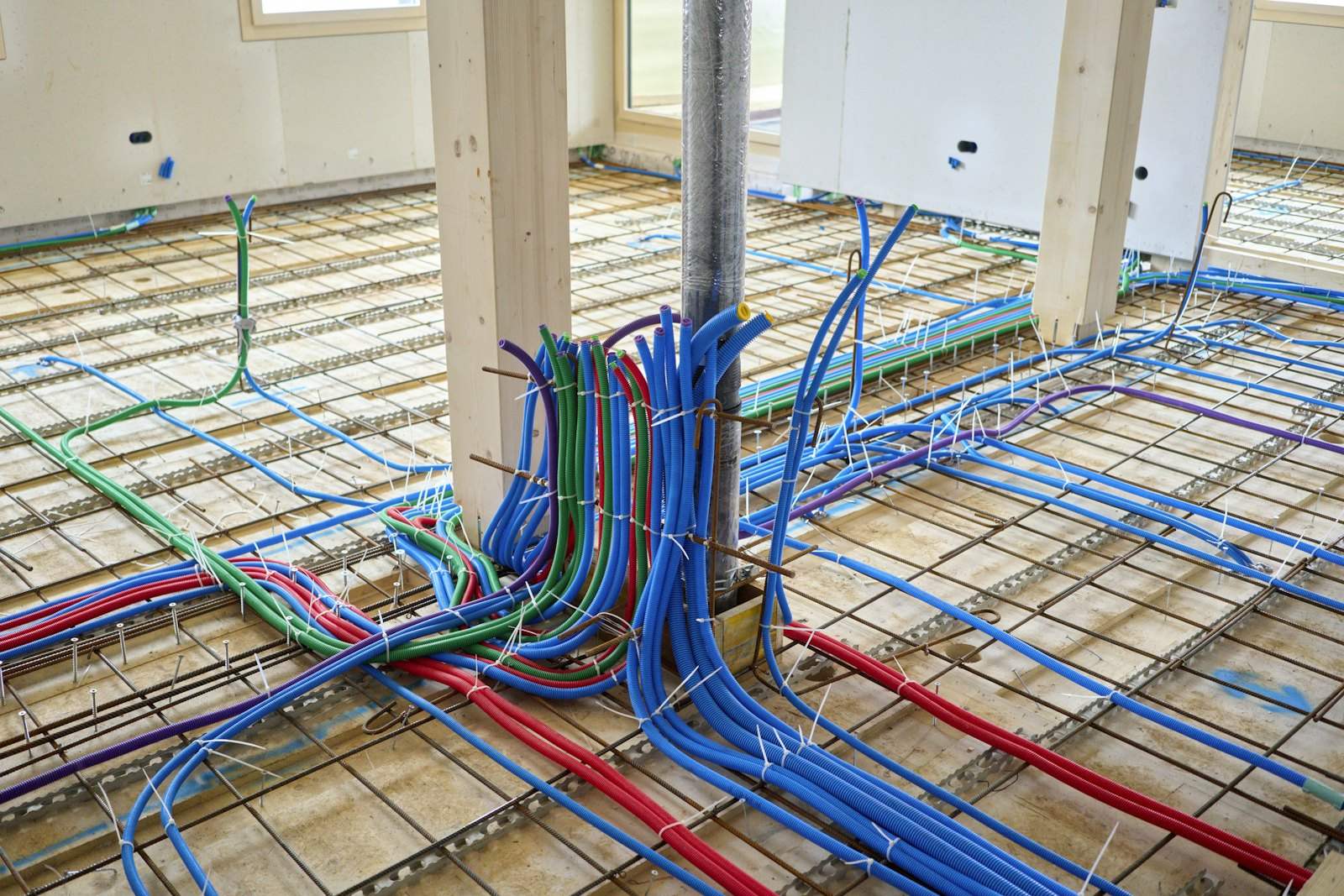
Solid floor insulation
PIR or XPS boards over the slab with a new screed or floating floor.
Insulated floor screed
Insulation plus screed, ready for underfloor heating.
Underfloor heating insulation
Insulation boards under wet or electric UFH so heat goes up, not into the ground.
Floors over garages and open space
Insulating floors over unheated garages, passages, undercrofts and overhangs.
Basement and cellar insulation
Insulating basement walls and floors with tanking or cavity drain membranes.
Begin your project
Price underfloor insulation from the void in two minutes
See a price range for your property type, with grants and 0% VAT applied where they fit. A survey always confirms the final figure.