Listed buildings and conservation areas
Insulating listed buildings — with consent, and materials that breathe.
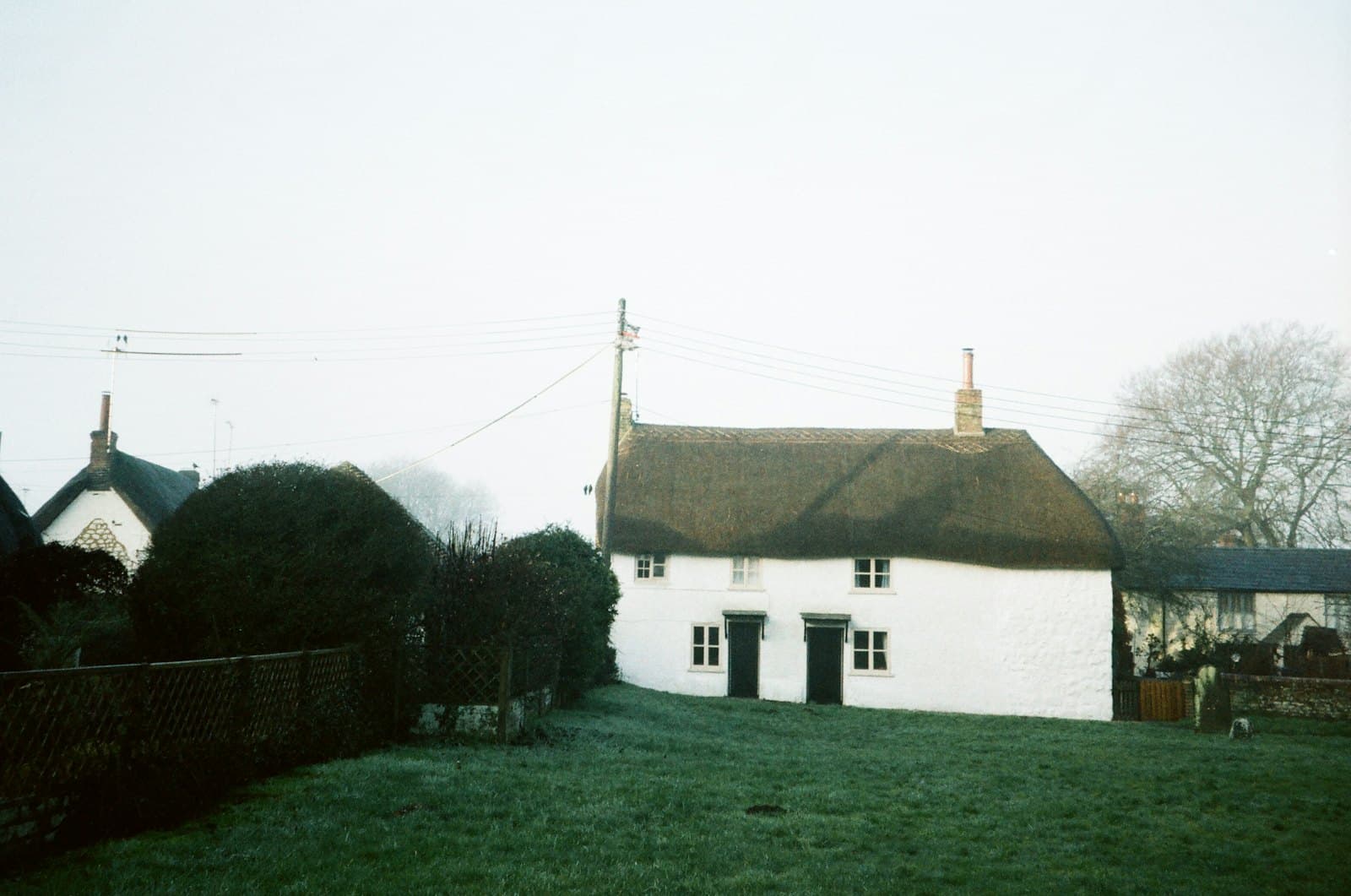
Listed buildings and homes in conservation areas need the lightest touch. Their historic fabric is protected, so many changes need consent — and the materials have to work with walls that were built to breathe.
Before any work
What we check with you
- Listed building consentFor works affecting the building's character, inside or out.
- Conservation area and Article 4Changes to the outside may need planning permission.
- No EWI on fronts without planningExternal insulation on a front elevation always needs planning.
- Moisture risk assessmentBreathable systems, checked before anything is installed.
We prepare the technical information your conservation officer will ask for.
At a glance
Construction, heat loss and watch-outs
- Typical construction
- Historic fabric
- Where heat is lost
- Walls, windows, roof
- Usual measures
- Breathable IWI, thermal lime render, secondary glazing, loft, floor
- Watch-outs
- Listed building consent; Article 4; no EWI on fronts without planning
What to know
How we approach it
Listed building consent
Works that affect a listed building's special character — inside or out — normally need listed building consent from the council before they start, including many insulation and window changes. We prepare the technical information your conservation officer will ask for.
Conservation areas and Article 4 directions
In conservation areas, and where an Article 4 direction removes permitted development rights, changes to the outside — render, windows, external insulation — may need planning permission. We never install EWI on a front elevation without planning.
Breathable insulation inside
Breathable internal wall insulation — wood-fibre, cork or hemp-lime with lime plaster — suits historic walls and can be reversed. Each wall gets a moisture risk assessment first.
Thermal lime render
Where external insulation isn't allowed, insulating lime render adds a modest improvement while keeping the wall breathable.
Secondary glazing
Secondary glazing keeps original windows in place and adds a discreet, reversible inner layer — often the acceptable way to cut draughts and noise in a listed building.
Lofts and floors
Loft insulation with breathable materials such as sheep's wool, and suspended floor insulation with the void kept ventilated, are often the least intrusive improvements of all.
Recommended measures
The insulation that usually suits
Breathable IWI for period homes
Wood-fibre, cork or hemp-lime systems that let solid walls stay dry.
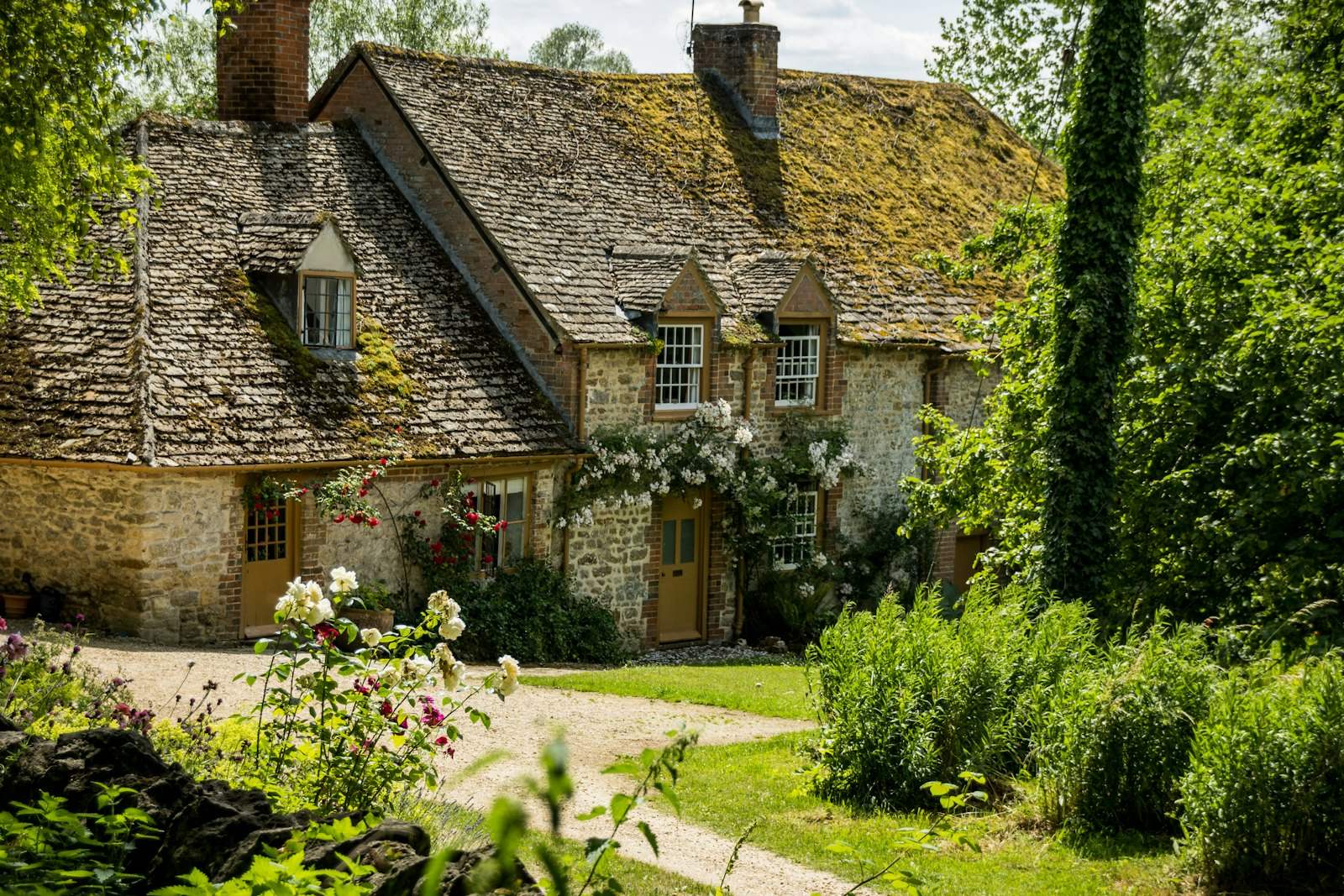
Insulating (thermal) lime render
Lime render with an insulating aggregate for modest U-value gains on old walls.
Lime render
Breathable lime render and lime plaster for older solid walls.
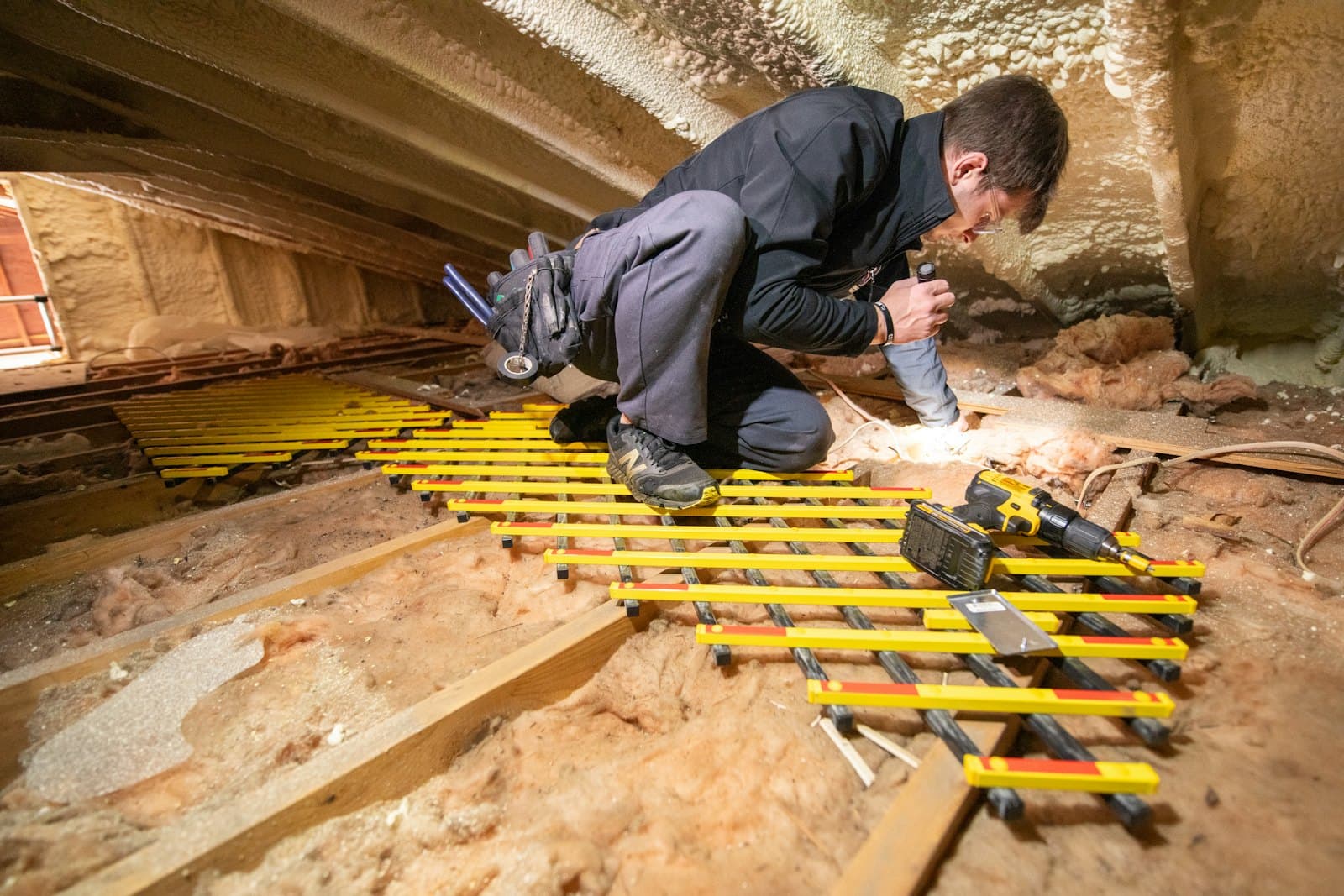
Loft insulation
Mineral wool laid between and across the joists to 270–300 mm so heat stays in the rooms below.

Sheep's wool insulation
Natural insulation that handles moisture, popular with period owners.
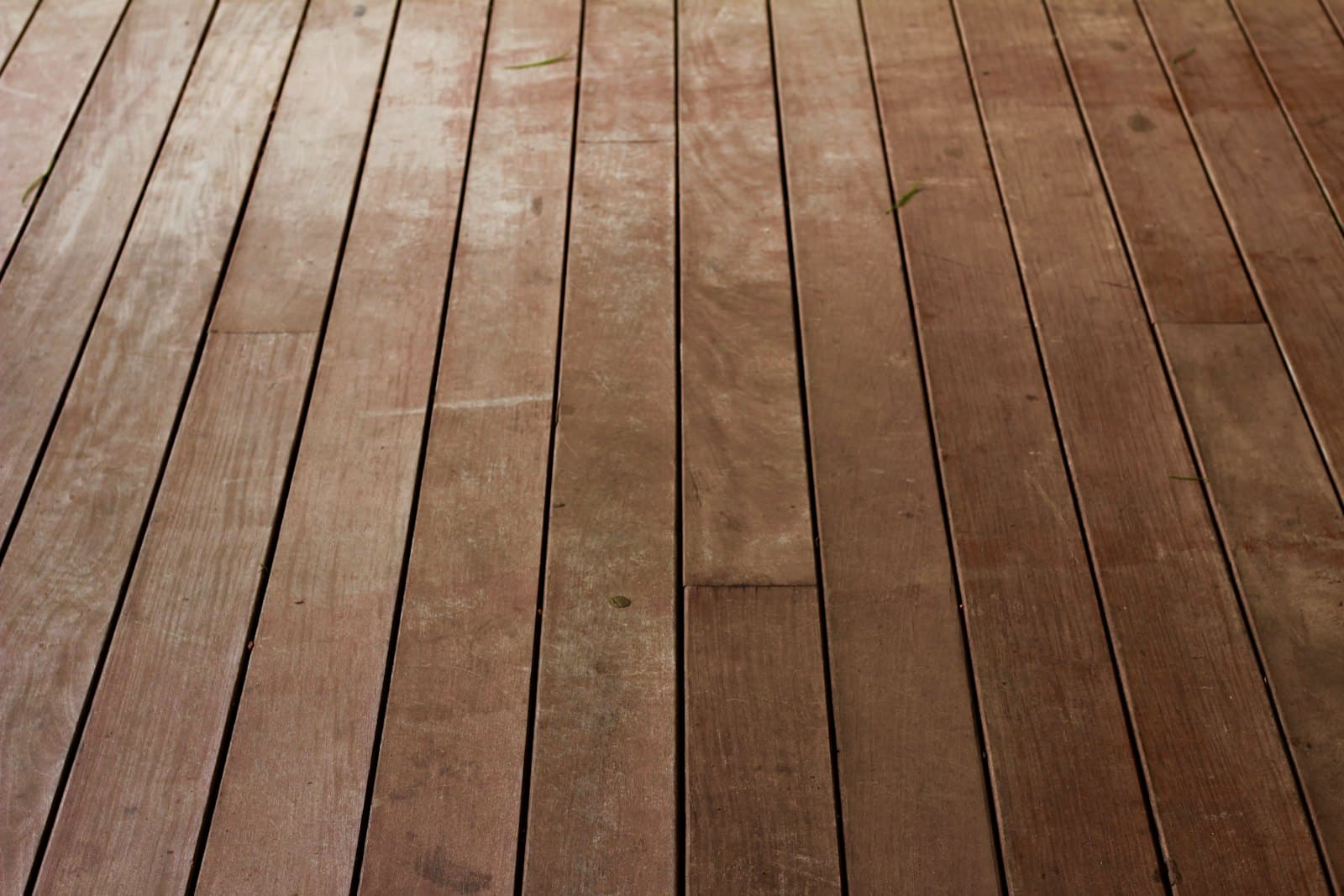
Suspended timber floor insulation
Mineral wool or rigid board between the joists with an airtight membrane.

Draught-proofing
Sealing doors, windows, letterboxes, hatches, floorboards and unused chimneys — every home's quick win.
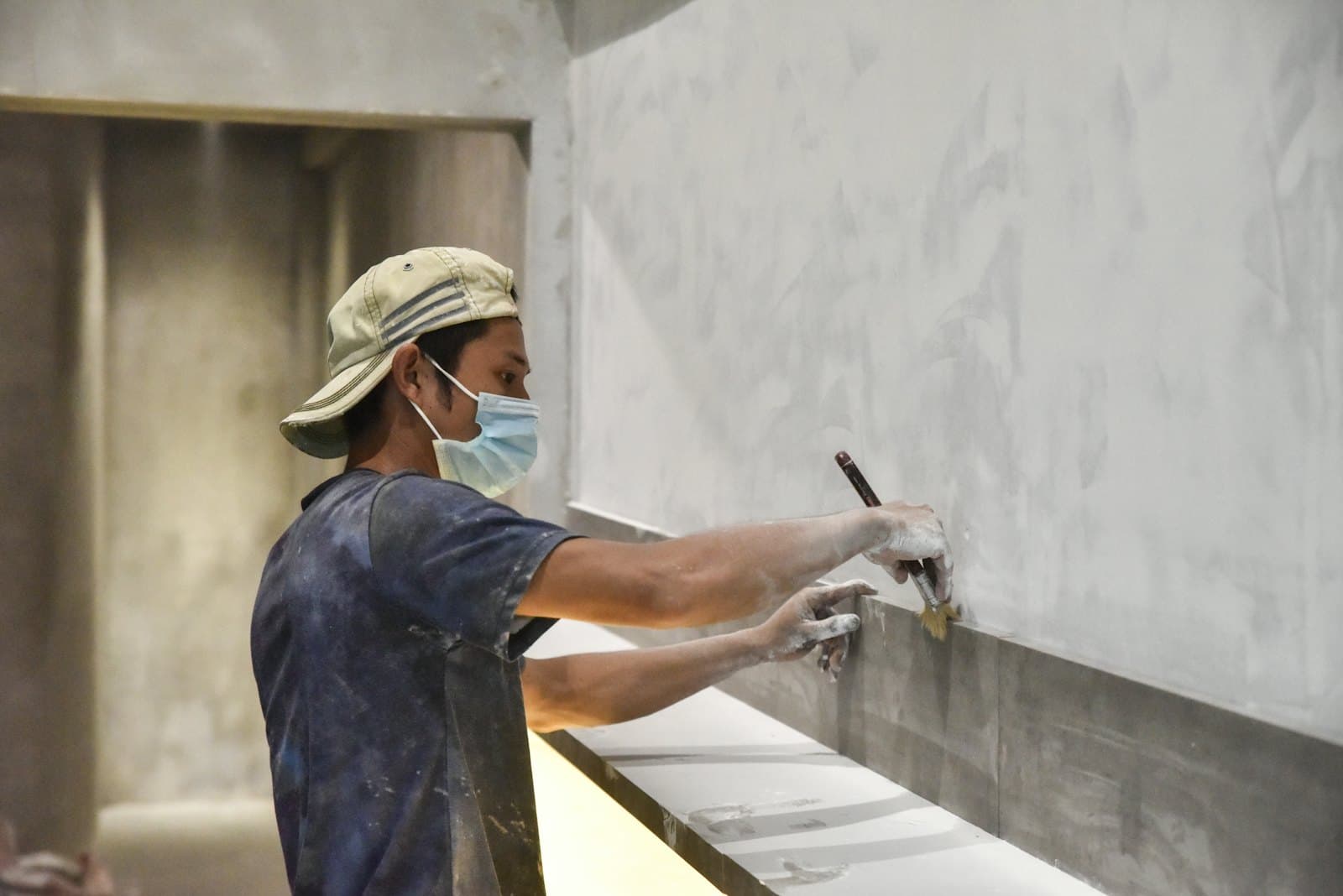
Aerogel
The best performance per millimetre — for reveals, thin liners and heritage work.
Prices
Typical prices
| Measure | Semi / end-terrace |
|---|---|
| Internal wall insulation (whole home) | £10,000–£20,000 |
| Loft insulation (new or top-up) | £600–£1,300 |
| Suspended floor insulation | £1,500–£4,500 |
| Draught-proofing | £300–£800 |
Indicative ranges for London and the South East, supplied and installed, including VAT, before grants. Updated 11 October 2026. A survey confirms your final price.
Grants and savings that may help
- ECO4Closes in 73 days
Up to fully funded; paid by energy suppliers per measure
Grant via local councils (£960m nationally in 2026/27)
- Social Housing Fund
Landlord-led bids
Saves 20% VAT
- Local schemes
Varies
Eligibility depends on your circumstances and is confirmed by evidence and the funder or council.
0% VAT on energy-saving materials
Insulation, solar panels, batteries and heat pumps installed in homes in Great Britain are zero-rated for VAT until 31 March 2027. Windows and doors are not included.Questions
Common questions
Do I need listed building consent to insulate?
Usually, for anything that affects the building's character — internal wall insulation, new windows, render. Some low-impact work, such as laying loft insulation, may not, but confirm with your council's conservation officer before starting.
Can a listed building have external wall insulation?
Rarely. It changes the building's appearance, so it needs listed building consent and is usually resisted on principal elevations. Breathable internal insulation and thermal lime render are the usual alternatives.
Can I replace windows in a listed building?
Only with consent. Repairing and draught-proofing the originals, or adding secondary glazing, is more likely to be acceptable than replacement.
What is an Article 4 direction?
A council order that removes some permitted development rights in an area — for example, changing windows or rendering the front of a house — so that those changes need planning permission.
Begin your project
Improve a listed home the careful way
Breathable, reversible insulation, with the consents in place first. Tell us about your building and we'll arrange a survey.