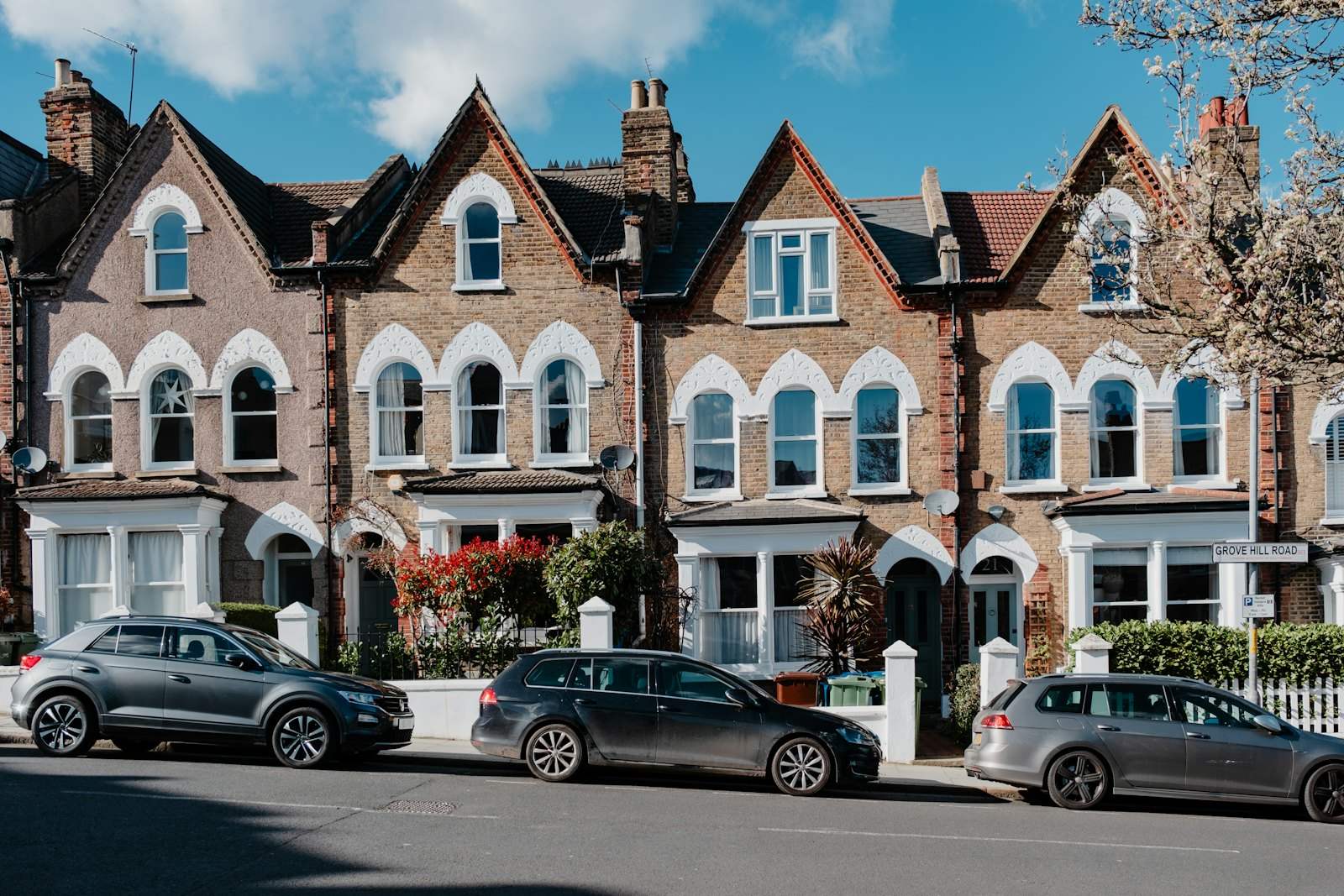
Georgian, Victorian and Edwardian homes
Insulating period homes — breathable, careful, reversible.
Period homes were built with solid brick or stone walls, suspended timber floors and sash windows. They lose heat through the walls, through draughty floors and through the windows — and they manage moisture differently from modern homes, so the insulation has to let them breathe.
Build-up
Breathable internal insulation
- 1Lime plaster
- 2Wood-fibre, cork or hemp-lime
- 3Existing solid brick or stone — still able to dry out
At a glance
Construction, heat loss and watch-outs
- Typical construction
- Solid brick or stone, suspended floors, sash windows
- Where heat is lost
- Walls, floor draughts, windows
- Usual measures
- Breathable IWI, floor, sash upgrades, secondary glazing, draught-proofing
- Watch-outs
- Moisture risk: breathable materials only
What to know
How we approach it
Breathable materials only
Solid walls stay dry by letting moisture evaporate. Insulation that traps moisture — and cement renders or plasters — can lead to damp, decay and mould. We use materials that keep the wall breathing.
- Breathable internal wall insulation: wood-fibre (Steico, Pavatex, Gutex), cork or hemp-lime, finished with lime plaster
- Lime render and limewash outside, never cement on lime-built walls
- Sheep's wool or mineral wool in the loft, with the roof kept ventilated
Moisture risk comes first
Every wall build-up gets a moisture risk assessment (WUFI) before anything is installed, and we fix the causes of damp — leaking gutters, failed pointing, blocked air bricks — before insulating.
Floors and draughts
Suspended timber floors are insulated between the joists with an airtight membrane, which stops the draughts as well as the heat loss — with the air bricks kept clear. Draught-proofing floorboards, skirtings, doors and unused chimneys is a quick win, done without blocking the ventilation an older building needs.
Sash windows: upgrade, don't rip out
Sound sashes can be overhauled and draught-proofed, and secondary glazing adds a discreet, reversible inner layer. Where sashes are beyond repair, new sash windows from LINX Glass keep the look.
Conservation areas and fronts
Many period streets are in conservation areas, and some fronts are protected by Article 4 directions. Internal wall insulation keeps the front unchanged; external insulation on side and rear walls may be possible with a breathable system. If your home is listed, see our listed buildings guide.
Recommended measures
The insulation that usually suits
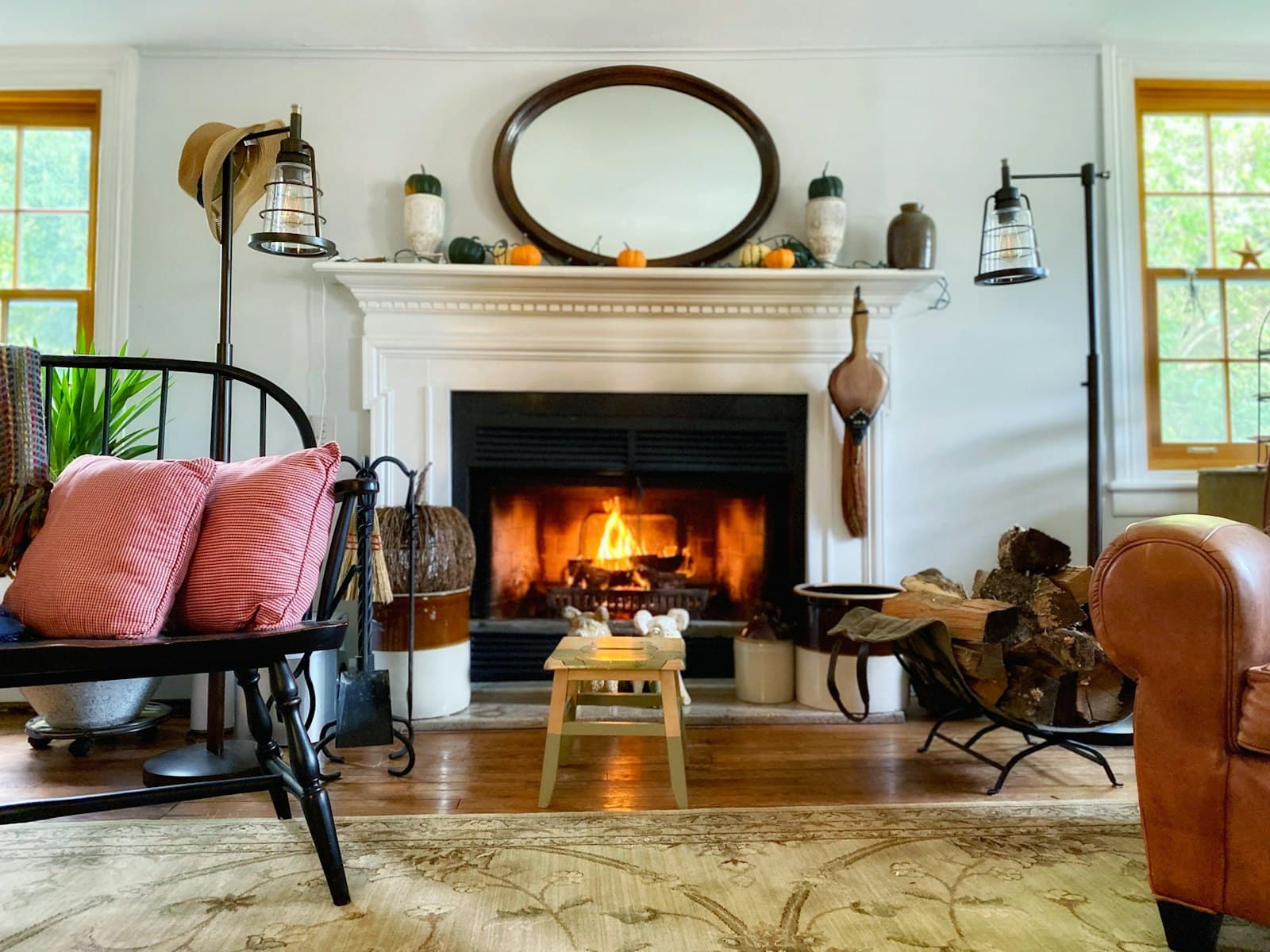
Breathable IWI for period homes
Wood-fibre, cork or hemp-lime systems that let solid walls stay dry.
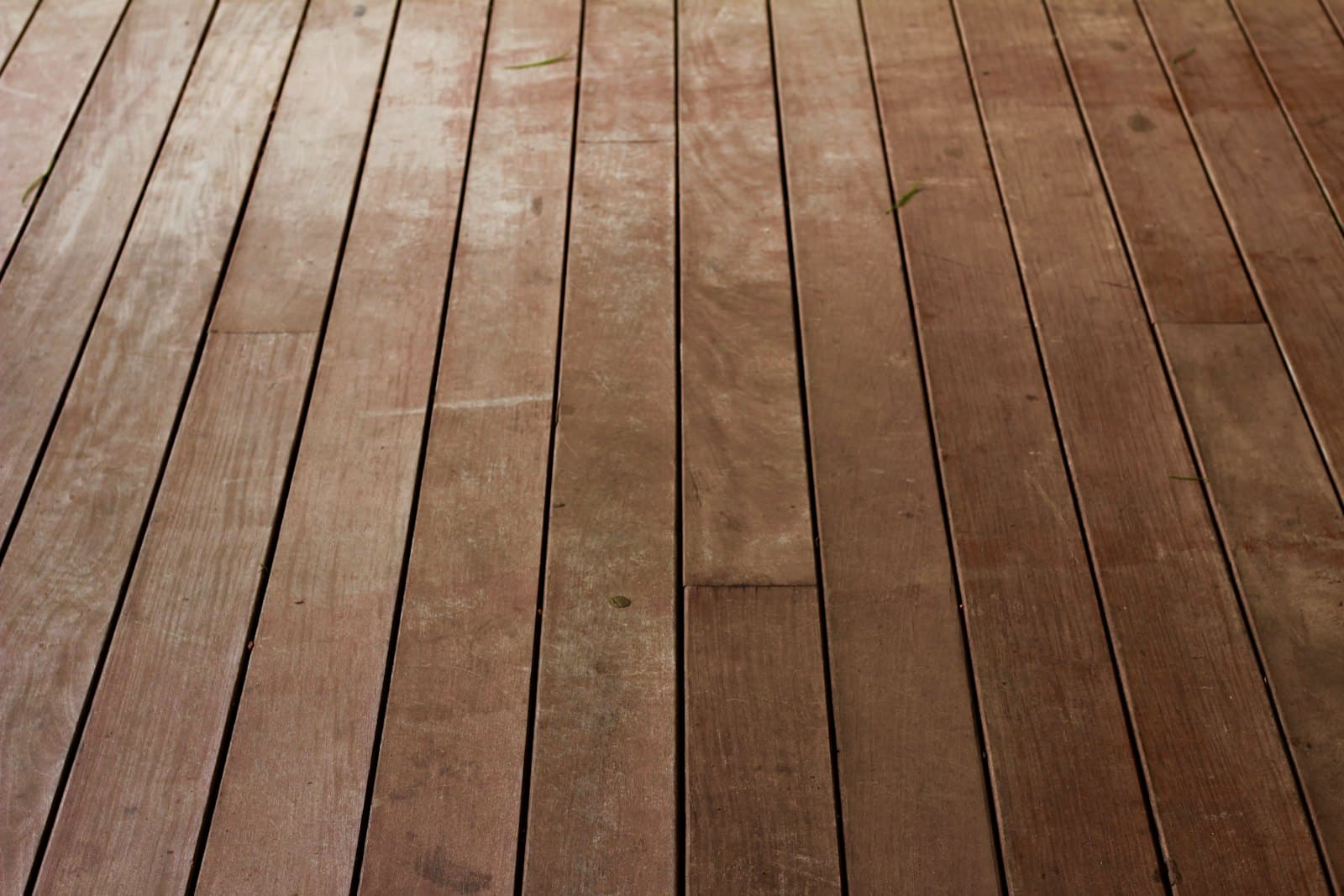
Suspended timber floor insulation
Mineral wool or rigid board between the joists with an airtight membrane.
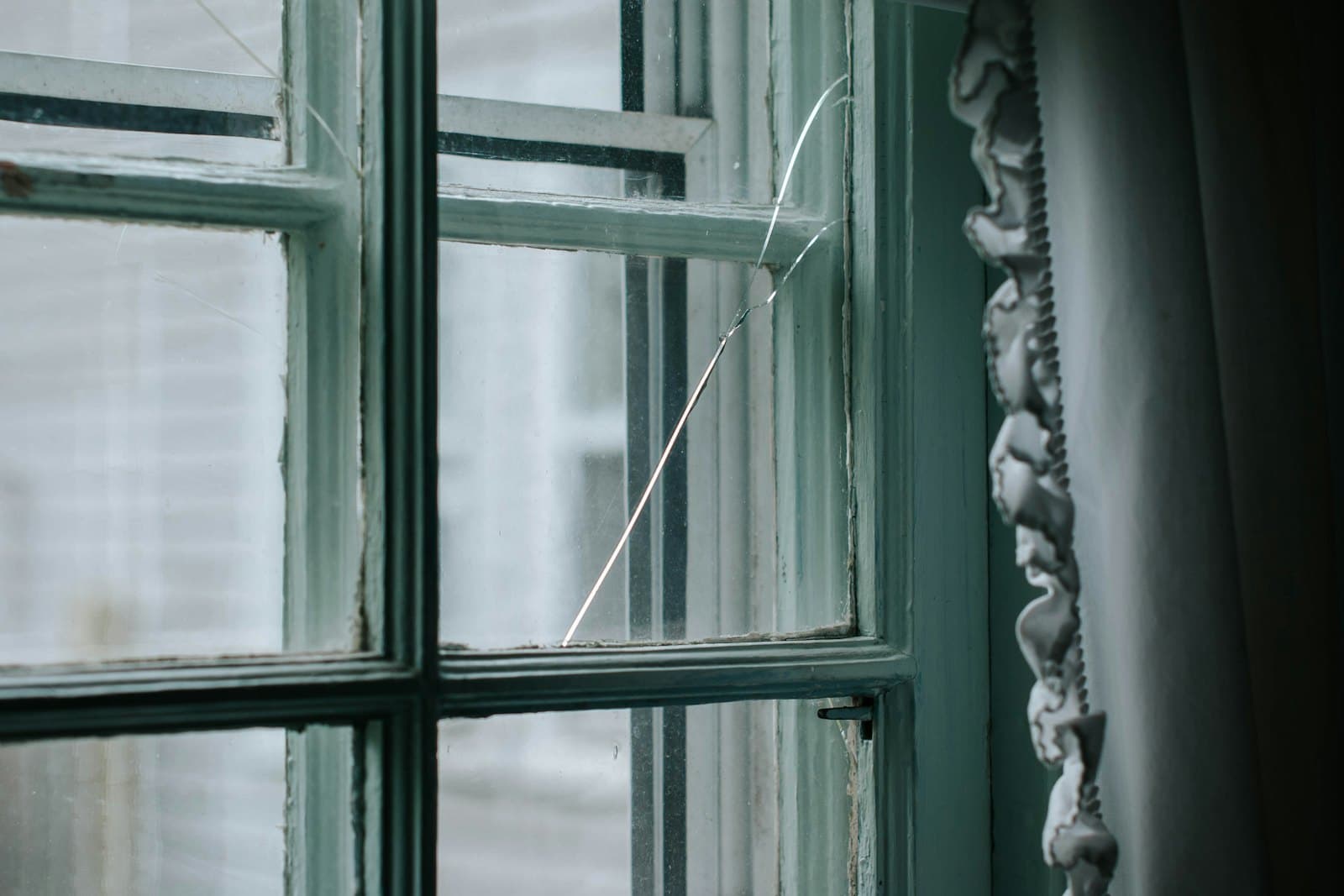
Draught-proofing
Sealing doors, windows, letterboxes, hatches, floorboards and unused chimneys — every home's quick win.
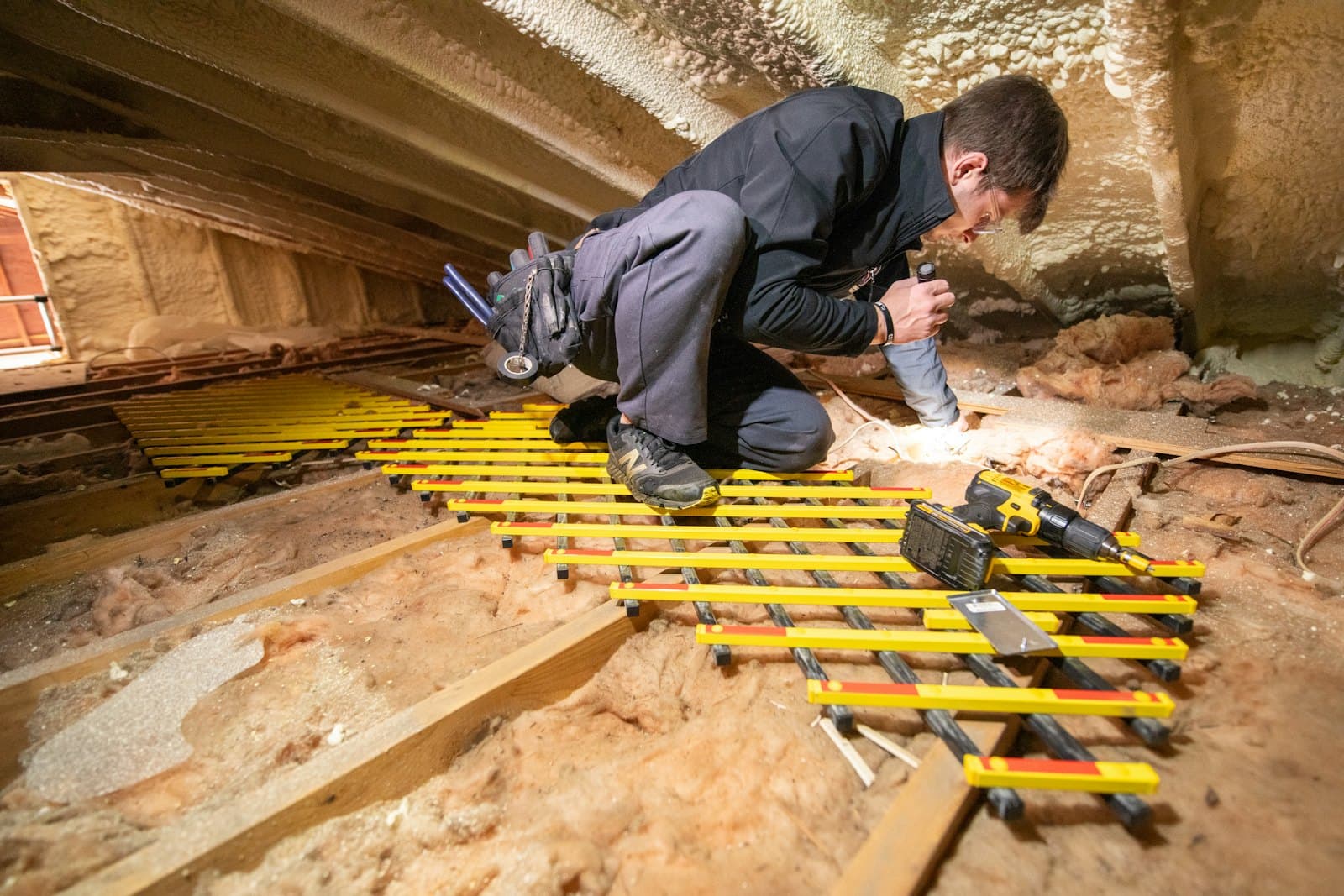
Loft insulation
Mineral wool laid between and across the joists to 270–300 mm so heat stays in the rooms below.
Bay, dormer and reveal insulation
Insulating bay walls, dormer cheeks and window reveals to remove cold spots.
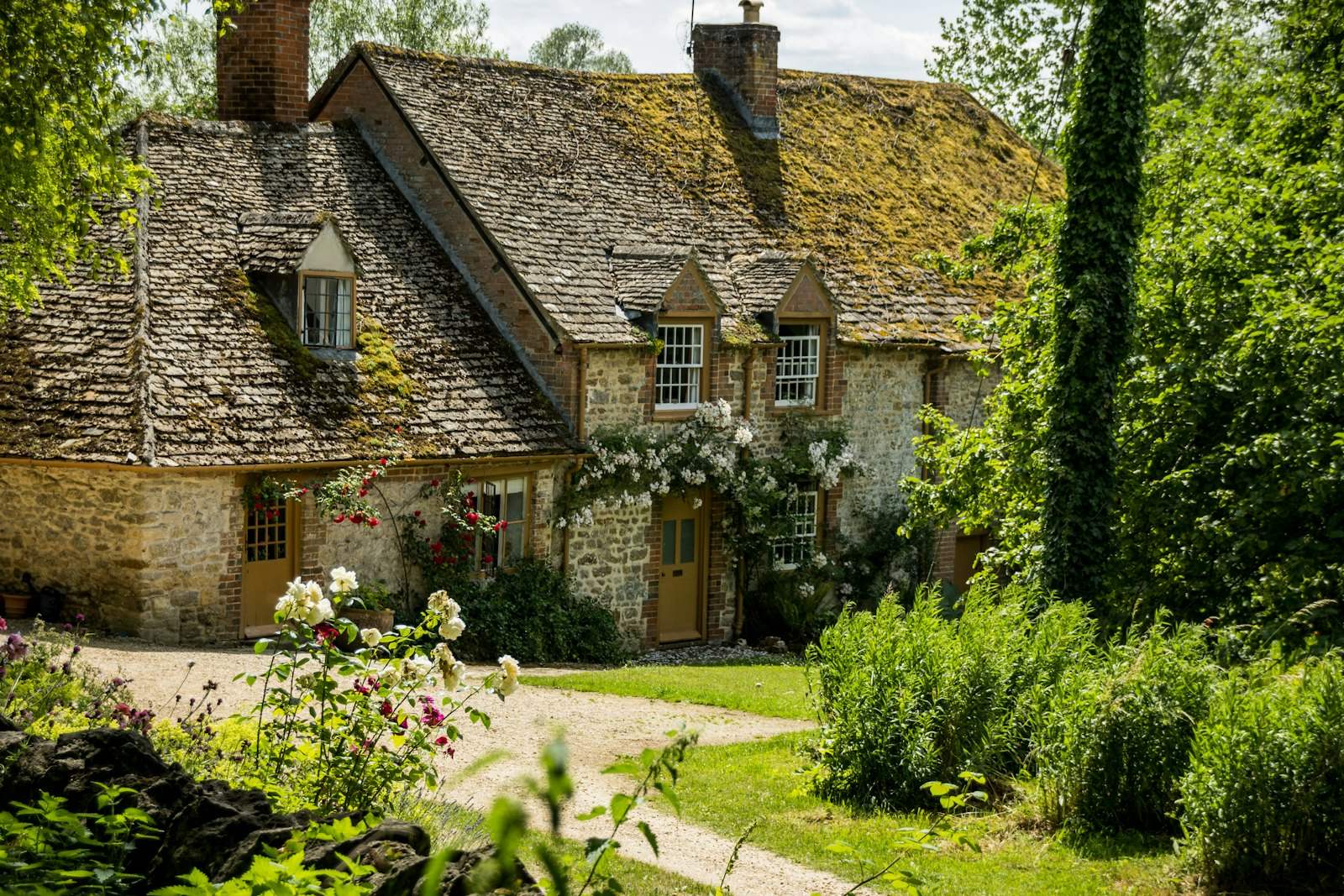
Lime render
Breathable lime render and lime plaster for older solid walls.
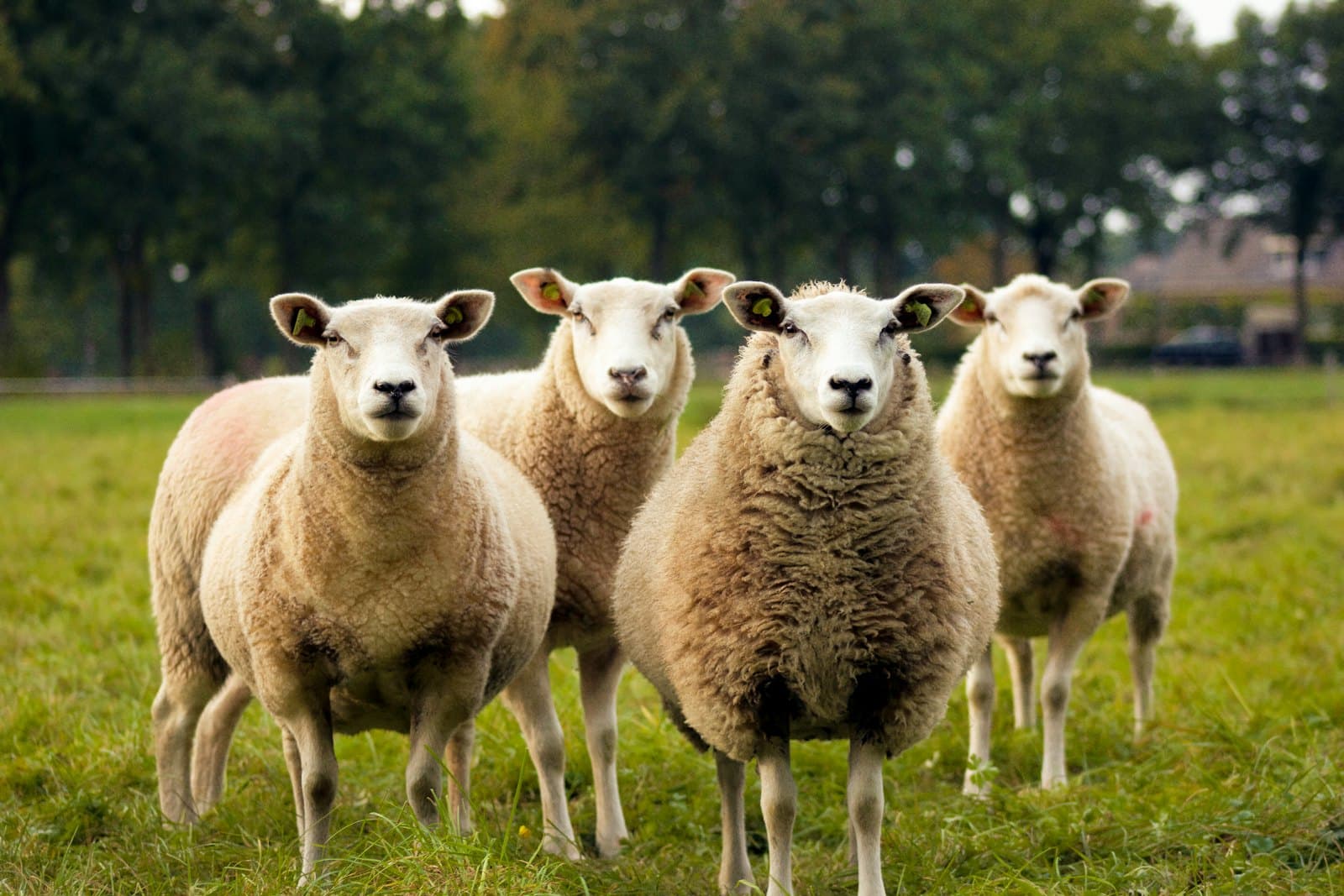
Sheep's wool insulation
Natural insulation that handles moisture, popular with period owners.
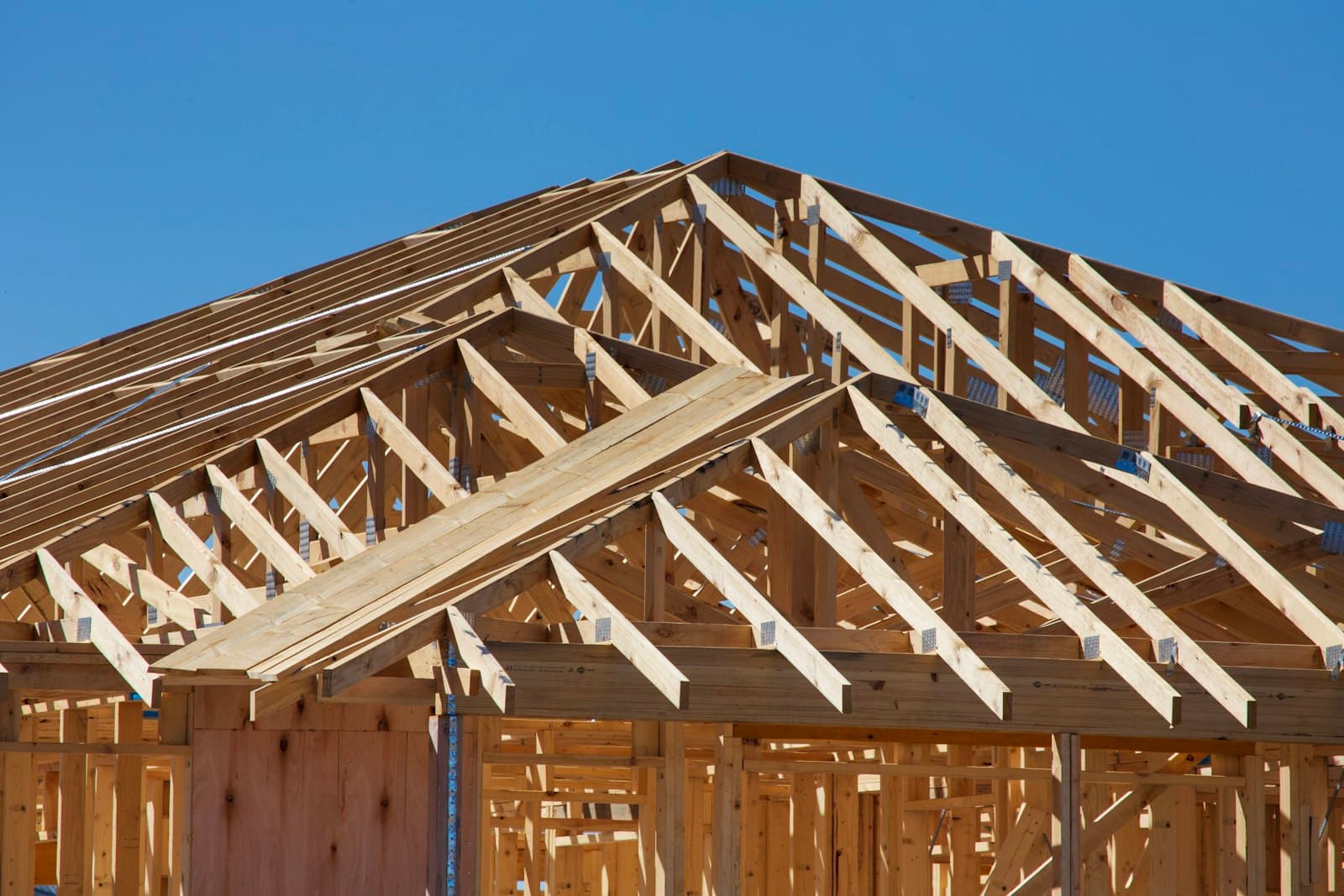
Wood-fibre insulation
Breathable boards and batts with good summer heat protection and low carbon.
Prices
Typical prices
| Measure | Semi / end-terrace |
|---|---|
| Internal wall insulation (whole home) | £10,000–£20,000 |
| Suspended floor insulation | £1,500–£4,500 |
| Draught-proofing | £300–£800 |
| Loft insulation (new or top-up) | £600–£1,300 |
Indicative ranges for London and the South East, supplied and installed, including VAT, before grants. Updated 11 October 2026. A survey confirms your final price.
Grants and savings that may help
- ECO4Closes in 73 days
Up to fully funded; paid by energy suppliers per measure
Grant via local councils (£960m nationally in 2026/27)
- Social Housing Fund
Landlord-led bids
Saves 20% VAT
- Local schemes
Varies
Eligibility depends on your circumstances and is confirmed by evidence and the funder or council.
0% VAT on energy-saving materials
Insulation, solar panels, batteries and heat pumps installed in homes in Great Britain are zero-rated for VAT until 31 March 2027. Windows and doors are not included.Questions
Common questions
What's the best insulation for a Victorian house?
Usually breathable internal wall insulation on the solid walls, suspended floor insulation, loft insulation and draught-proofing — after a moisture risk assessment. External insulation on the rear can work with a breathable system.
Can I use standard insulation boards in a period home?
Foil-backed PIR boards and cement plasters can trap moisture in solid walls. Some can work after a condensation risk analysis, but breathable systems are usually the safer choice for solid brick and stone.
Will internal wall insulation affect period features?
Cornices, skirtings, picture rails, shutters and window reveals need careful detailing. We plan around the features you want to keep, and can insulate selectively — for example, just the coldest walls.
Should I replace my sash windows or add secondary glazing?
If the sashes are sound, an overhaul with draught-proofing, or secondary glazing, keeps them; if they're beyond repair, new sash windows keep the look. In conservation areas or listed buildings, check what's allowed first.
Begin your project
Insulate your period home without trapping moisture
Breathable systems, a moisture risk check first, and a price range for your home in two minutes.