Insulation · Group F
Natural and specialist insulation — where breathability matters.
Wood-fibre, sheep's wool, hemp, cork and high-performance materials where space or breathability matters.
Overview
About natural and specialist insulation
Natural and specialist materials earn their place where conventional insulation falls short: breathable wood-fibre, sheep's wool, hemp and cork for period homes that need to dry out, and aerogel, vacuum panels or phenolic where every millimetre counts.
They cost more than mineral wool, so we recommend them where they make a real difference — and use them inside the same certified systems and services as the rest of the division.
Every service in group F
10 ways we can help
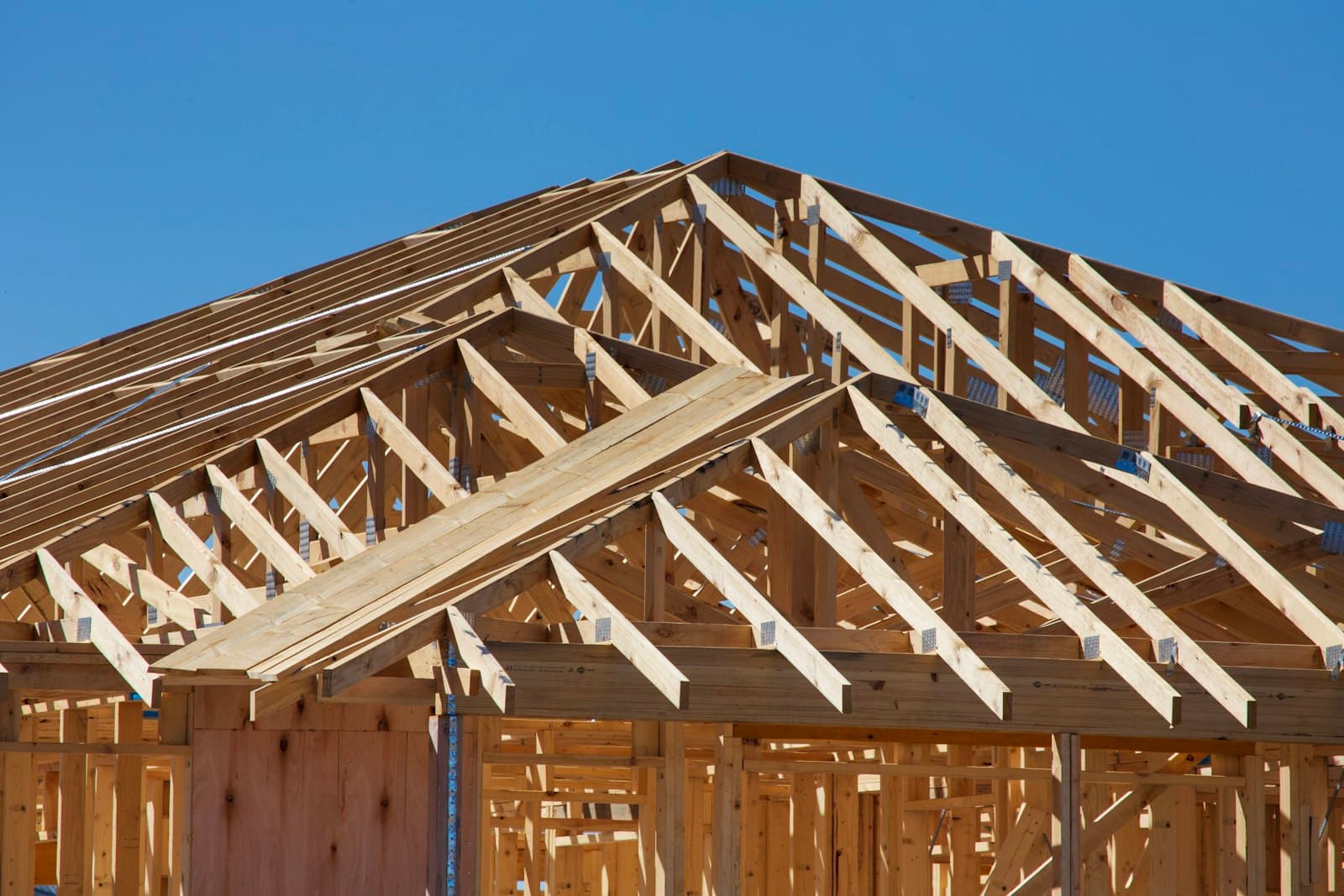
Wood-fibre insulation
Breathable boards and batts with good summer heat protection and low carbon.
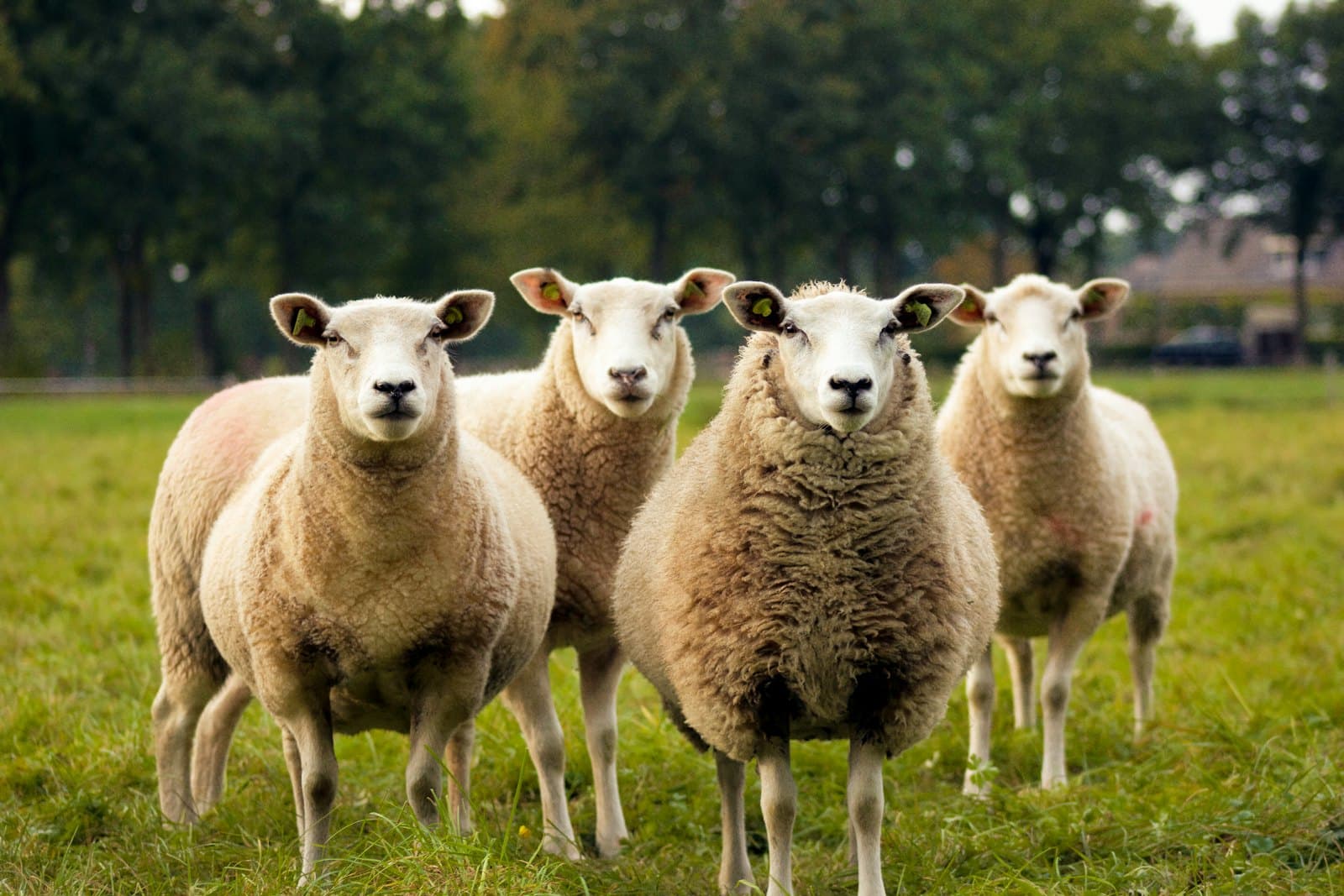
Sheep's wool insulation
Natural insulation that handles moisture, popular with period owners.
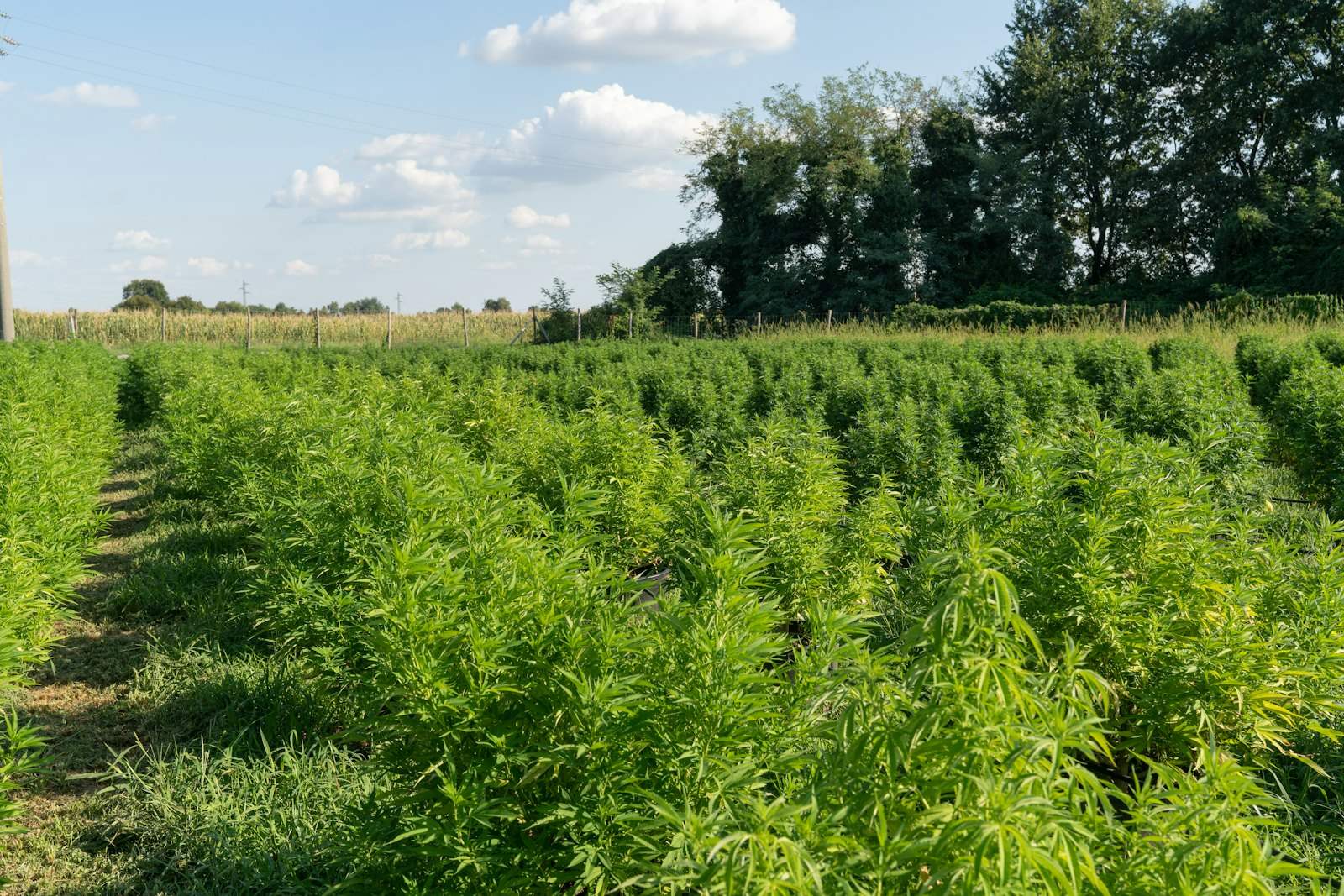
Hemp and hemp-lime
Breathable, very low carbon insulation for walls and floors.
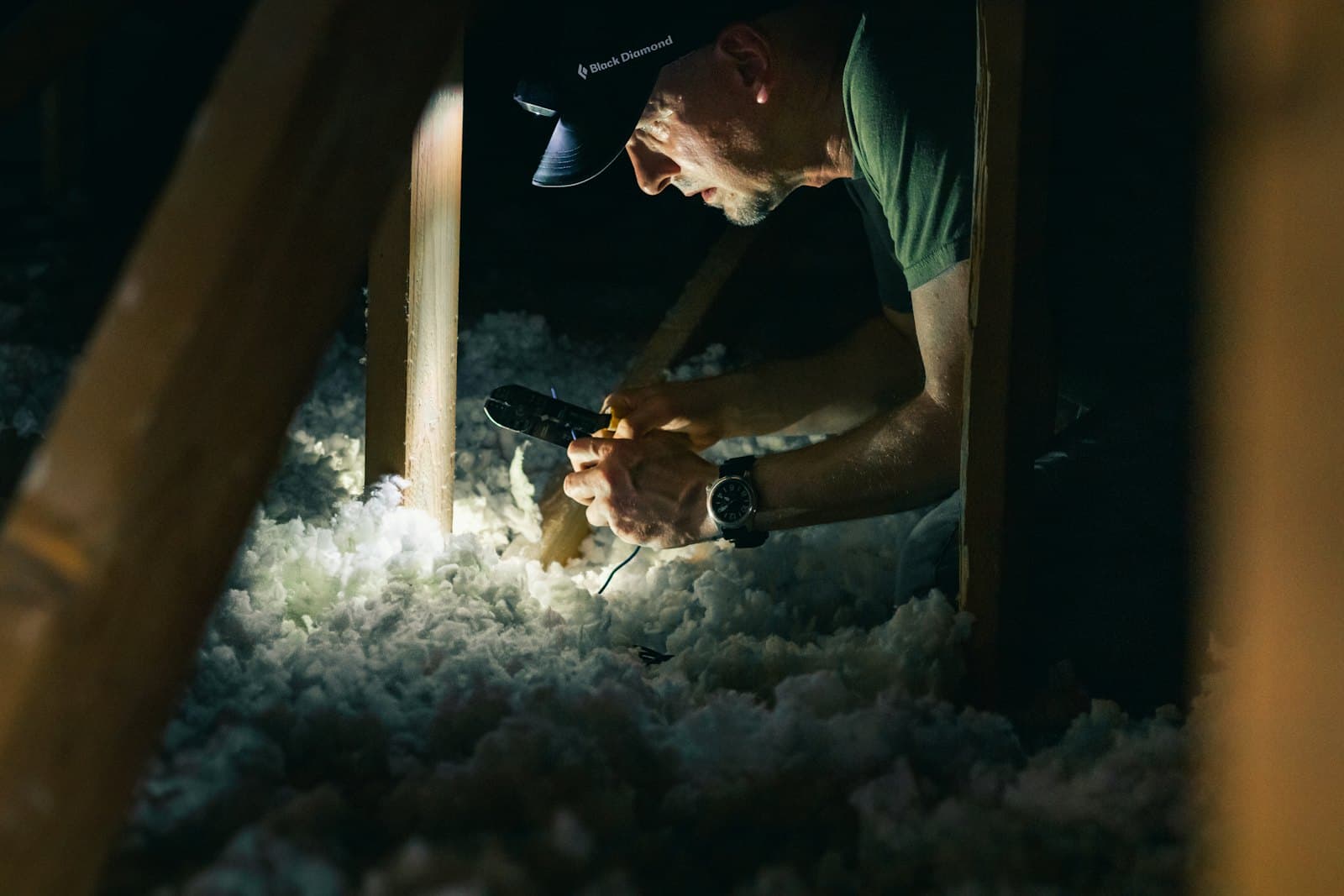
Cellulose (recycled paper)
Recycled-content blown insulation for lofts and timber frames.
Cork board
Natural, durable, breathable board for walls and floors.
Aerogel
The best performance per millimetre — for reveals, thin liners and heritage work.
Vacuum insulated panels
Extreme performance in a tiny thickness for floors and thresholds.
Phenolic (Kingspan Kooltherm)
The thinnest rigid board for IWI, flat roofs and floors.
XPS
Moisture-resistant, high-strength board for inverted roofs and below ground.
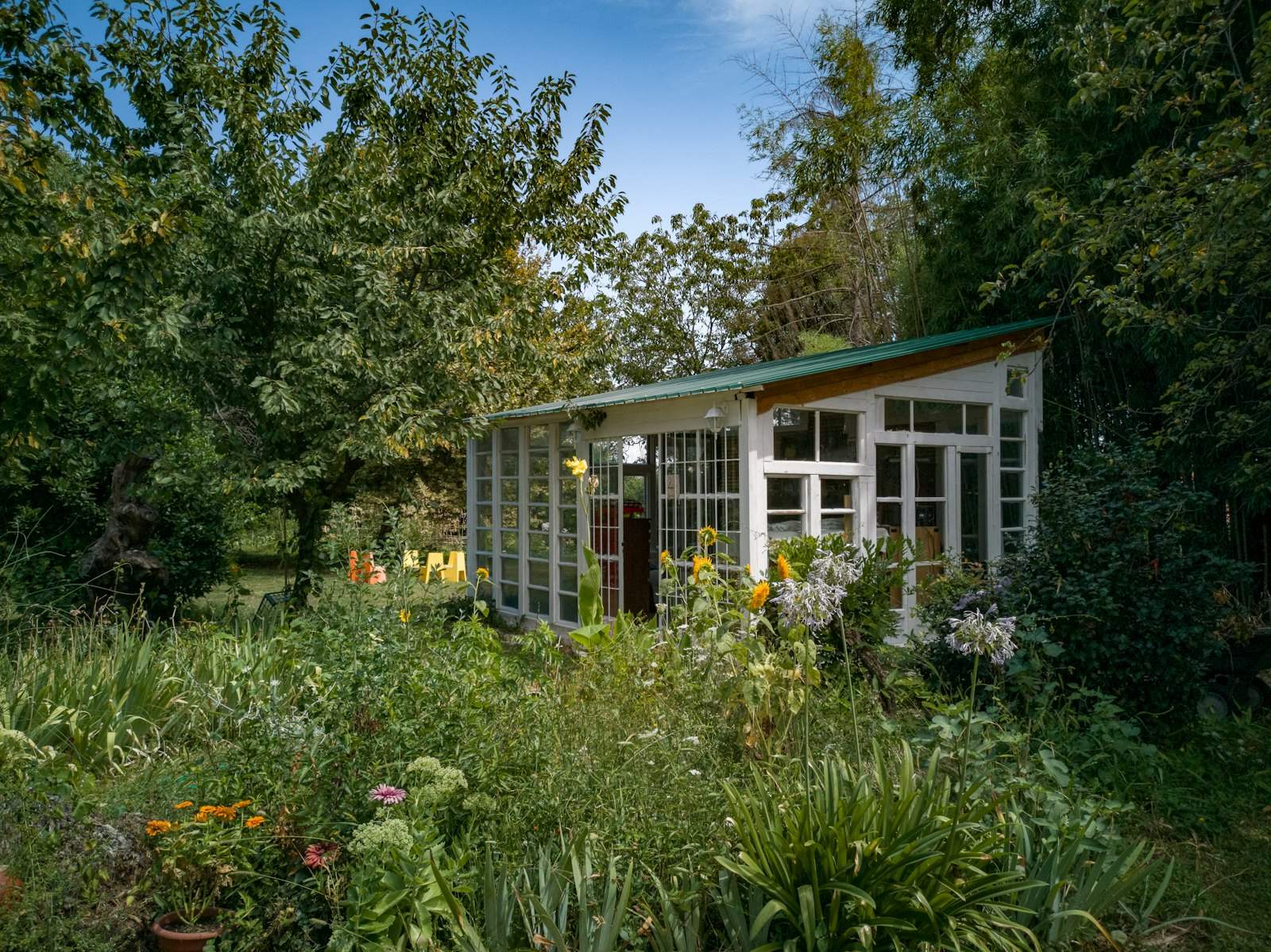
Multifoil thermal barriers (YBS, Actis)
Thin reflective layers for roofs, walls and garden rooms — used only with a tested U-value.
Natural and specialist materials
Where each material earns its place
| Material | Where we use it | Why choose it |
|---|---|---|
| Wood-fibre insulation | Roofs, IWI, EWI, timber frame (Steico, Pavatex, Gutex). | Breathable, good summer heat protection, low carbon |
| Sheep's wool insulation | Lofts, timber floors, stud walls. | Natural, handles moisture, popular with period owners |
| Hemp and hemp-lime | IWI, new walls, floors. | Breathable, very low carbon |
| Cellulose (recycled paper) | Blown lofts, timber frame. | Recycled content, low carbon |
| Cork board | IWI, EWI, floors. | Natural, durable, breathable |
| Aerogel | Reveals, thin liners, heritage. | Best performance per mm |
| Vacuum insulated panels | Floors and door thresholds where depth is very limited. | Extreme performance in tiny thickness |
| Phenolic (Kingspan Kooltherm) | IWI, flat roofs, floors. | Thinnest rigid board |
| XPS | Inverted roofs, floors, below ground. | Moisture resistant, high strength |
| Multifoil thermal barriers (YBS, Actis) | Roofs, walls, garden rooms. | Thin; use only with a tested U-value |
Natural insulation typically costs 20–50% more than mineral wool for the same job. Your survey shows both options side by side.
Prices
What natural insulation costs
| Service | Typical range, installed |
|---|---|
| Multifoil thermal barrier (roof or wall lining) | £25–£50 per m² |
Indicative ranges for London and the South East, supplied and installed, including VAT. Updated 11 October 2026. A survey confirms your final price.
0% VAT on energy-saving materials
Insulation, solar panels, batteries and heat pumps installed in homes in Great Britain are zero-rated for VAT until 31 March 2027. Windows and doors are not included.How it works
Survey, check, install, guarantee
- 1
Survey
A surveyor visits, measures and checks the construction — borescope for cavities, moisture and ventilation for roofs — then confirms what suits your home and the final price.
- 2
Condensation risk and PAS 2035, where needed
Internal and external wall insulation and roof conversions get a condensation risk analysis for each build-up. Funded and whole-house jobs follow PAS 2035, starting with a retrofit assessment.
- 3
Install
We install to the manufacturer's or system holder's specification, with one named contact throughout. Scaffolding, making good and any building control are set out in your quote.
- 4
Guarantee and paperwork
You get the paperwork for what's installed — the guarantee from the relevant body or manufacturer, explained before you sign, plus any building control or competent-person certificates.
Grants and savings that may help
- ECO4Closes in 73 days
Up to fully funded; paid by energy suppliers per measure
Grant via local councils (£960m nationally in 2026/27)
- Social Housing Fund
Landlord-led bids
Saves 20% VAT
- Local schemes
Varies
Eligibility depends on your circumstances and is confirmed by evidence and the funder or council.
Grant schemes change often. Our 60-second checker uses the current rules and tells you plainly whether you're likely, possibly or not eligible — and we never call funded work free without saying it depends on eligibility.
Check my eligibilityQuestions
Natural Insulation: common questions
Is natural insulation as good as mineral wool?
In heat terms, a natural material of the right thickness performs comparably in the same position. Its benefits are breathability, moisture handling, low carbon and summer comfort — at a higher price.
Which insulation is best for a Victorian house?
Solid Victorian walls need to breathe, so breathable systems — wood-fibre, cork or hemp-lime with lime plaster — are usually the right choice, after a moisture risk assessment.
What's the thinnest insulation?
Vacuum insulated panels and aerogel give the most performance per millimetre, followed by phenolic board. They cost more, so they're used where space is critical.
Begin your project
Price your insulation in two minutes
Prices by property type, with grants and 0% VAT applied where they fit. A survey always confirms the final figure.